Many salon professionals and hair enthusiasts wonder whether they can transform their regular hair dryer into a professional-style hood dryer for deep conditioning treatments. This versatile styling question affects both salon efficiency and at-home hair care routines worldwide.
Yes, you can absolutely use a hair dryer hood attachment for deep conditioning treatments. Hood attachments create gentle, even heat distribution that opens hair cuticles, allowing conditioners and treatments to penetrate deeper into the hair shaft. This method provides salon-quality results with hands-free convenience during treatment sessions.
Keep reading to discover exactly how hood attachments enhance deep conditioning effectiveness and which techniques deliver the best results for your clients or personal hair care routine.
What Exactly Is a Hair Dryer Hood Attachment?
Understanding this essential styling tool helps you maximize its potential for both regular drying and treatment applications.
A hair dryer hood attachment is a soft, inflatable bonnet made from waterproof, durable material that connects to your existing blow dryer via a flexible hose. It features drawstrings and chin straps for secure positioning and inflates with warm air to create an enclosed environment for even heat distribution.
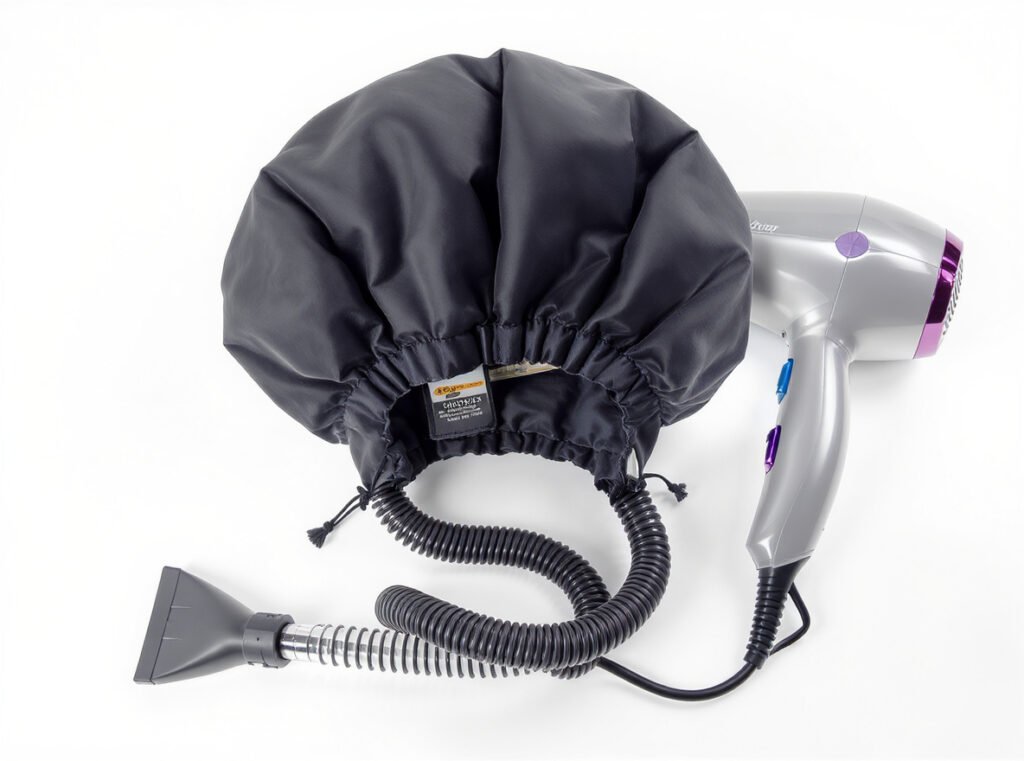
These portable attachments fold into the palm of your hand for easy storage and travel, making them ideal for both salon use and mobile hair services. Unlike traditional salon hood dryers that are bulky and stationary, hood attachments convert any handheld dryer into a powerful, salon-style hood dryer.
The attachment consists of three main components that work together seamlessly:
• Large adjustable bonnet: Made from waterproof fabric with evenly distributed ventilation holes
• Flexible connecting hose: Links securely to your hair dryer’s nozzle
• Secure fastening system: Drawstrings and chin straps ensure proper positioning during extended use
This design distributes heated air evenly around your entire head rather than concentrating heat in one area, preventing hot spots that can damage hair while ensuring consistent treatment activation across all hair sections.
How Do Hood Attachments Enhance Deep Conditioning Effectiveness?
The science behind why hood attachments improve treatment results lies in their unique heat delivery and moisture retention system.
Hood attachments enhance deep conditioning by creating controlled, even heat distribution that opens hair cuticles more effectively than direct blow-drying. This allows conditioning ingredients to penetrate deeper into the hair shaft, while the enclosed environment prevents treatments from drying out prematurely.
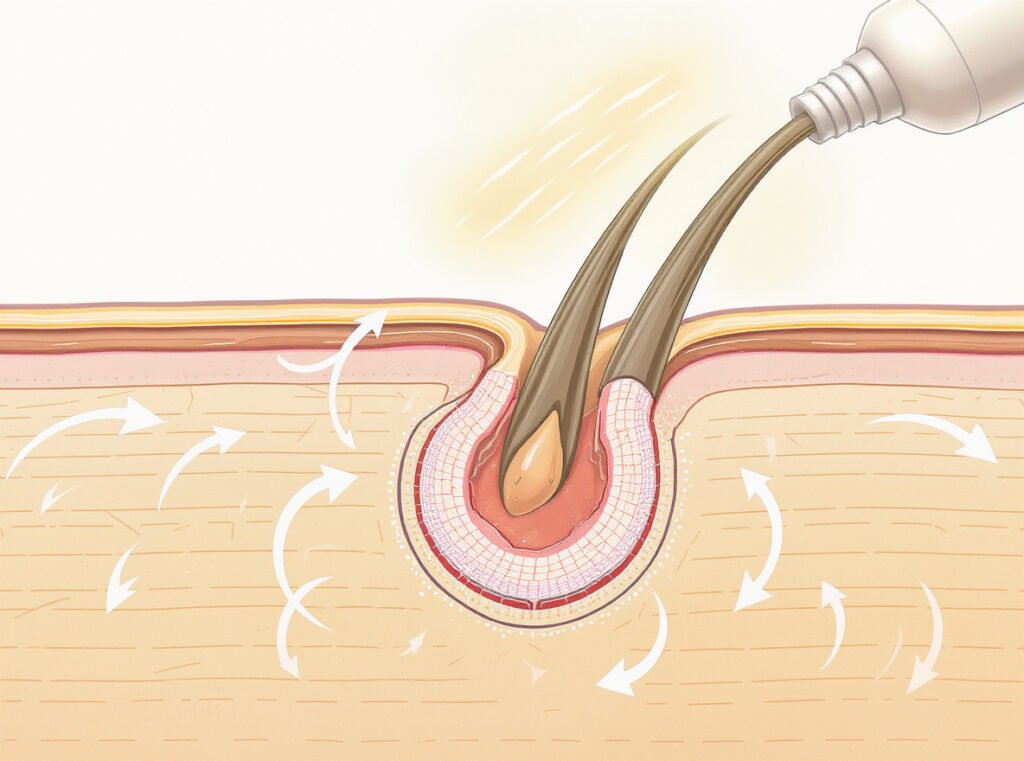
Heat plays a crucial role in deep conditioning by opening the hair cuticle, which allows conditioners and treatments to penetrate more deeply into the hair shaft. This process results in more effective conditioning, softer hair, and better moisture retention.
The effectiveness stems from several scientifically-backed mechanisms:
Cuticle Opening Process: The gentle warmth opens hair cuticles without causing thermal damage, creating pathways for deep product penetration. This is particularly beneficial for low porosity hair, which is naturally resistant to absorbing moisture.
Moisture Lock Technology: Hood dryers operate at lower, more controlled temperatures compared to direct blow-drying, helping to lock in moisture and maintain the hair’s natural shine. The enclosed environment creates a micro-climate that prevents product evaporation.
Extended Treatment Capability: The hands-free design allows you to relax under the hood for the recommended treatment duration (typically 15-30 minutes) without fatigue, ensuring maximum product absorption time.
| Treatment Benefit | Mechanism | Result Timeline |
|---|---|---|
| Cuticle Opening | Gentle heat application | 5-10 minutes |
| Product Penetration | Sustained heat exposure | 15-20 minutes |
| Moisture Retention | Enclosed environment | Throughout session |
| Enhanced Softness | Deep conditioning activation | Immediate post-treatment |
This controlled approach delivers faster, more effective penetration compared to room temperature treatments while providing better results for resistant hair types.
Which Hair Types Benefit Most from Hood Attachment Conditioning?
Different hair textures and conditions respond uniquely to hood attachment treatments, making proper hair type identification crucial for optimal results.
Low porosity hair, curly and textured hair, thick dense hair, and damaged or chemically treated hair benefit most from hood attachment deep conditioning. These hair types require enhanced product penetration and respond exceptionally well to gentle, controlled heat application.
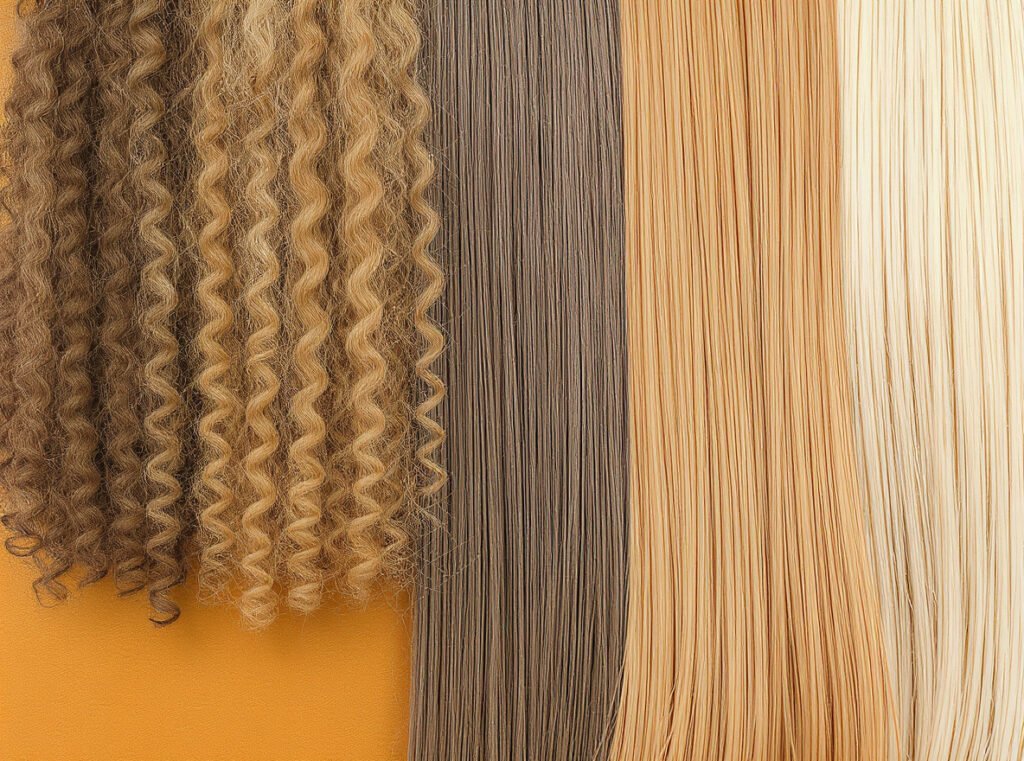
Understanding your specific hair characteristics helps determine the most effective treatment approach:
Low Porosity Hair: This hair type has tightly closed cuticles that resist moisture absorption. Hood attachments provide the gentle heat needed to open cuticles and allow better product penetration without causing damage.
Curly and Textured Hair: These hair types naturally require more moisture and benefit from even heat distribution that prevents frizz while maintaining curl definition. Hood attachments are particularly effective for twist-outs, finger coils, and wash-and-go styles.
Natural Hair Textures: Those with natural textures benefit from hood attachments for enhancing natural curl patterns and providing deep moisture without disrupting curl formation through excessive manipulation.
Specific benefits by hair type include:
• Thick, dense hair: Comprehensive coverage ensures all layers receive treatment
• Chemically treated hair: Gentle heat maximizes treatment absorption without additional damage
• Color-treated hair: Controlled temperature preserves color while enhancing conditioning
• Heat-damaged hair: Low-temperature conditioning helps repair without further stress
The versatility of hood attachments makes them suitable for various hair needs, from basic moisture maintenance to intensive repair treatments.
What’s the Proper Technique for Hood Attachment Deep Conditioning?
Mastering the correct technique ensures safe, effective results while preventing common mistakes that can compromise treatment outcomes.
Start with freshly shampooed, damp hair, apply deep conditioner generously from roots to ends, cover with a processing cap, secure the hood attachment properly, and use low heat for 15-30 minutes. Always add water while applying conditioner for better penetration.
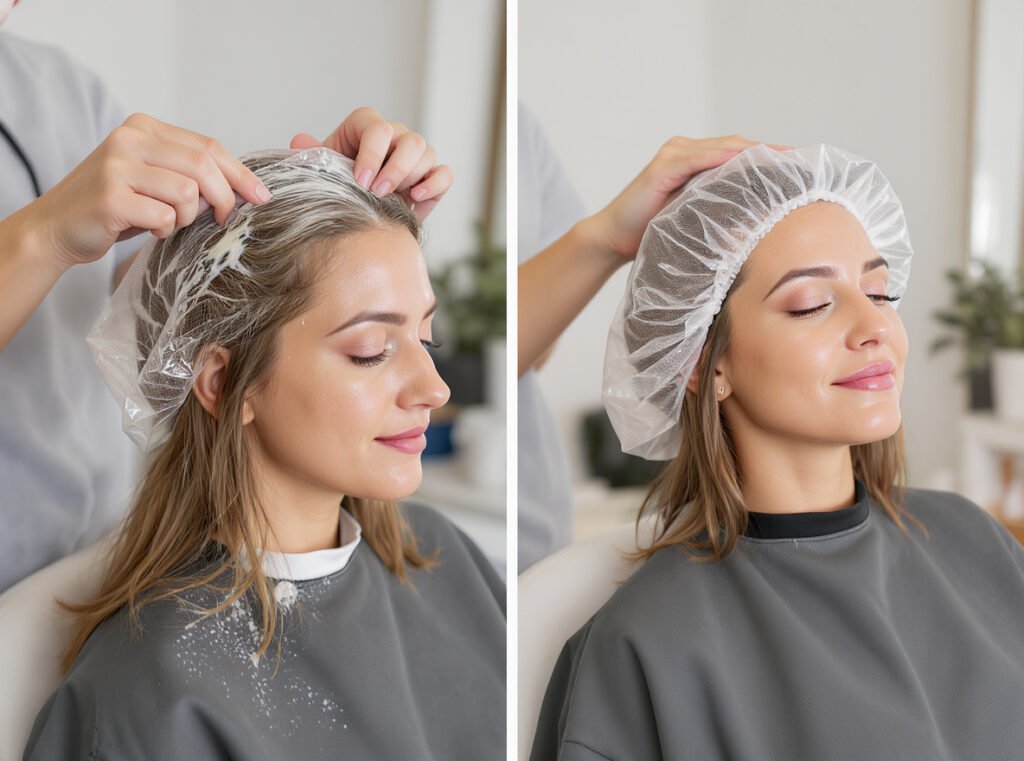
The step-by-step process requires careful attention to preparation and execution:
Pre-Treatment Preparation: Begin with freshly shampooed hair to remove buildup that can prevent product absorption. Remove excess water with a microfiber towel, leaving hair damp but not dripping. Detangle hair gently before applying treatment to ensure even distribution.
Strategic Product Application: Apply deep conditioner generously from roots to ends, ensuring complete coverage. Add water to your hair as you apply the conditioner – this crucial step improves penetration and makes the product easier to spread throughout all hair sections.
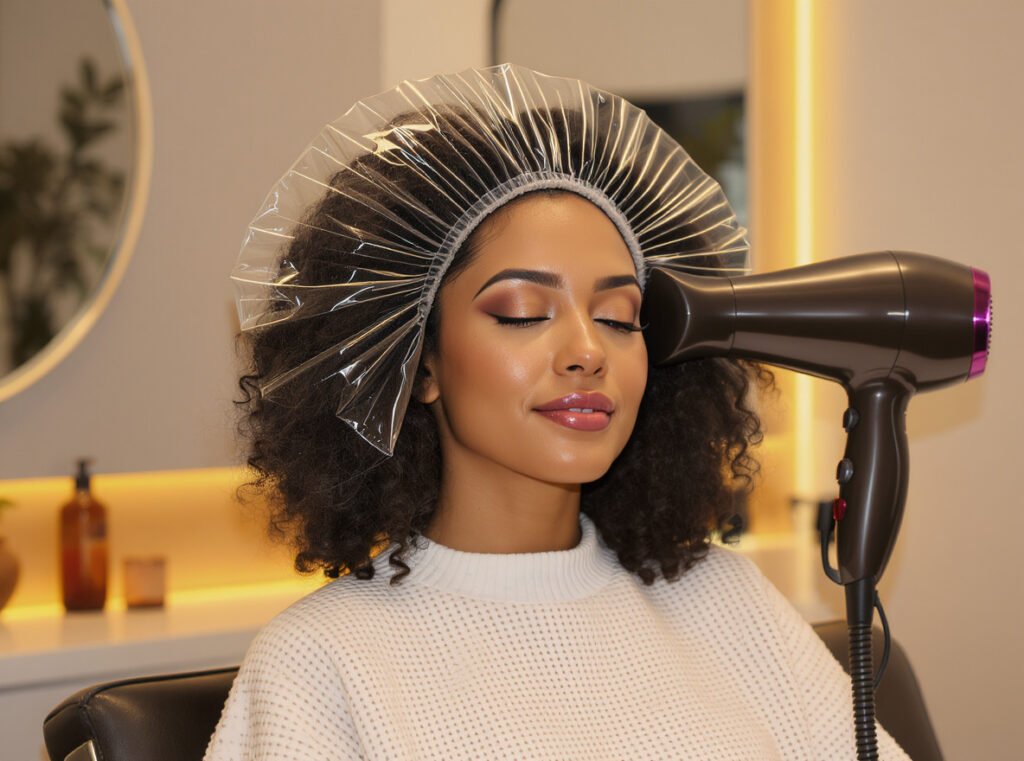
Processing Setup: Cover treated hair with a plastic cap or processing cap to prevent the product from drying out during the session. This step is essential for maintaining product effectiveness throughout the treatment duration.
Hood Configuration and Safety: Attach the bonnet securely to your hair dryer, looking for dryers with fanned nozzles for better connection. Flip your head upside down and gather hair into the bonnet for optimal volume distribution. Secure both the drawstring and chin strap properly to prevent heat loss.
| Hair Condition | Heat Setting | Treatment Time | Special Considerations |
|---|---|---|---|
| Fine/Damaged | Low only | 10-15 minutes | Monitor closely, use protein-free formulas |
| Normal/Healthy | Low-Medium | 15-25 minutes | Standard technique works well |
| Thick/Coarse | Medium | 25-30 minutes | May require additional product application |
| Low Porosity | Medium | 20-30 minutes | Needs sustained heat for cuticle opening |
Critical Safety Measures: Set your dryer to the lowest comfortable heat setting and never exceed recommended treatment times. Over-conditioning can make hair limp or mushy, particularly with protein treatments. Take breaks if heat becomes uncomfortable and monitor your scalp throughout the session.
Can Professional Salons Use Hood Attachments Instead of Traditional Hood Dryers?
Business considerations around efficiency, cost, and client satisfaction influence whether hood attachments can effectively supplement or replace traditional equipment in professional settings.
Hood attachments can serve as valuable supplementary tools in professional salons but shouldn’t completely replace traditional hood dryers. While attachments offer significant cost savings and space efficiency, traditional hoods provide more consistent power and durability needed for high-volume operations.
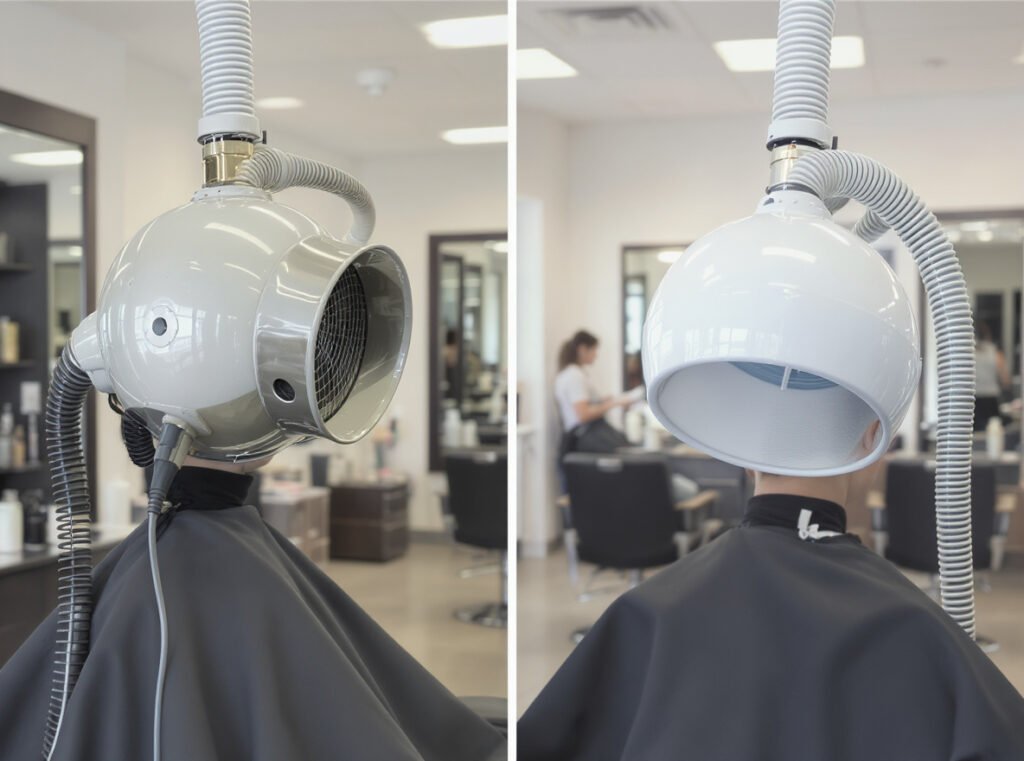
Professional applications require careful consideration of multiple factors:
Advantages for Salon Operations: Hood attachments are space-saving and portable, making them ideal for smaller salons or mobile services. They’re significantly more cost-effective than full hood dryer units while offering versatility with existing blow dryers. Clients appreciate the hands-free relaxation during treatments.
Professional Limitations: The effectiveness depends heavily on the quality and power of the attached hair dryer, which can create inconsistency across different stations. Durability concerns arise with heavy salon use, as these attachments may not withstand continuous professional demands as well as dedicated equipment.
Strategic Implementation Approaches:
• Supplementary services: Use for specialized treatments while maintaining traditional hoods for primary services
• Mobile operations: Essential for stylists offering on-location services
• Budget-conscious startups: Excellent initial investment for new salons
• Treatment-focused salons: Perfect for businesses specializing in hair health and conditioning
Client Experience Considerations: Some clients prefer the traditional salon hood dryer experience for perceived professionalism, while others appreciate the modern convenience of attachment systems. Professional salons often benefit from offering both options to accommodate diverse client preferences.
Successful salons typically use hood attachments as specialized tools rather than complete replacements, maximizing both equipment efficiency and service variety.
What Are the Common Mistakes to Avoid with Hood Attachments?
Preventing common errors ensures safe, effective treatments while protecting both hair health and equipment longevity.
The most critical mistakes include using excessive heat settings, exceeding recommended treatment times, applying conditioner to dirty or soaking wet hair, and neglecting proper attachment setup. These errors can cause heat damage, over-conditioning, and poor treatment results.
Understanding these pitfalls helps achieve consistently excellent outcomes:
Heat-Related Errors: Many users assume higher heat equals better results, but excessive heat settings can close cuticles too quickly, preventing deep penetration while risking thermal damage. Always start with low heat and adjust gradually, never ignoring discomfort signals.
Timing Mistakes: Following product instructions precisely is crucial, as leaving treatments on too long can make hair limp or mushy. The misconception that longer treatments provide better results often leads to over-conditioning, particularly damaging with protein-based treatments.
Application Problems: Critical preparation mistakes include:
• Using dirty hair: Always shampoo first to remove buildup that blocks product absorption
• Inadequate water addition: Failing to add water while applying conditioner reduces penetration effectiveness
• Uneven distribution: Ensures conditioner reaches all hair areas for consistent results
• Wrong product concentration: Over-applying can waste product and complicate rinsing
Equipment Setup Issues: Poor attachment fit creates uneven heat distribution, while inadequate securing through drawstring and chin strap leads to heat loss and inconsistent results.
| Mistake Category | Common Error | Consequence | Prevention Method |
|---|---|---|---|
| Heat Management | Excessive temperature | Cuticle damage, dryness | Start low, increase gradually |
| Timing | Over-processing | Limp, over-conditioned hair | Follow product guidelines strictly |
| Preparation | Dirty hair application | Poor absorption, waste | Always pre-shampoo |
| Setup | Loose attachment | Uneven heating | Secure all fastening points |
Professional Safety Standards: Always inspect the attachment and connecting hose before each use. Cracks or holes can cause dangerous uneven heating or complete system failure during treatments, potentially causing burns or equipment damage.
How Do Hood Attachments Compare to Other Deep Conditioning Methods?
Understanding the advantages and limitations of different conditioning approaches helps you choose the most effective method for specific client needs and business requirements.
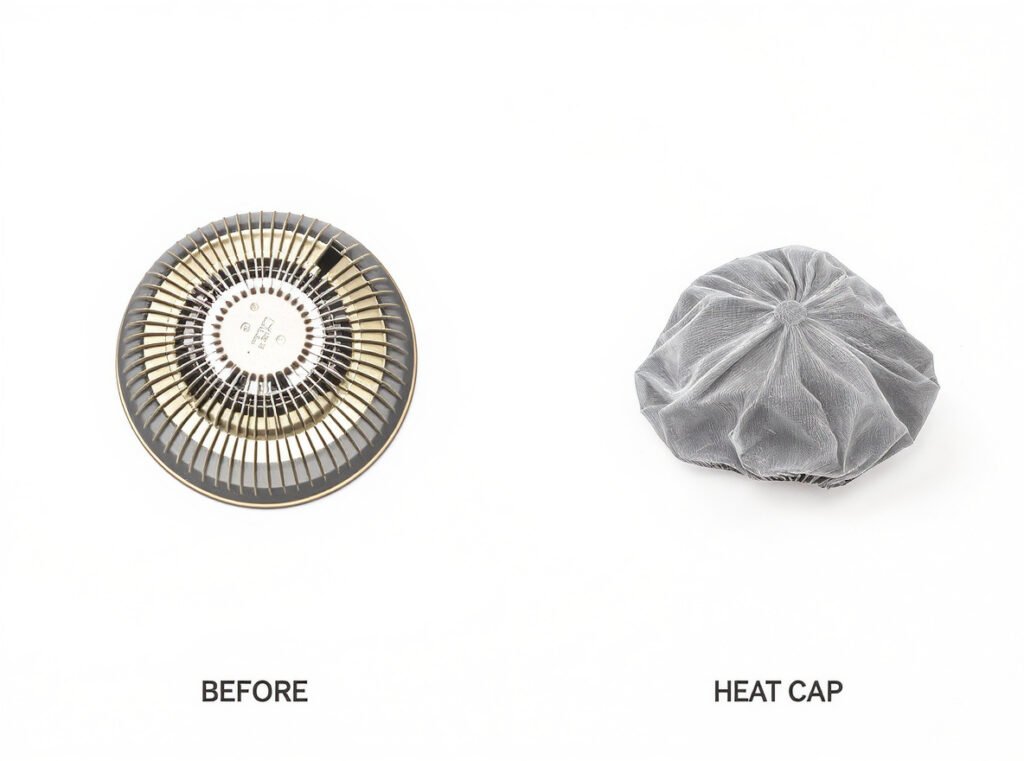
Hood attachments offer superior convenience and heat distribution compared to heat caps, while providing gentler treatment than direct blow-drying methods. However, they operate differently from steamers and traditional hood dryers, each serving specific conditioning needs.
Comprehensive comparison reveals distinct advantages for different applications:
Hood Attachments vs. Heat Caps: Hood attachments provide consistent temperature control and longer effective heating periods compared to cordless heat caps. The hands-free operation allows mobility during treatment while maintaining steady heat distribution throughout the session.
Hood Attachments vs. Hair Steamers: Steamers provide moist heat for deeper hydration, while hood attachments use dry heat for faster product penetration. Hood attachments work more quickly (15-30 minutes) compared to steamer sessions, making them more efficient for busy schedules.
Hood Attachments vs. No Heat Methods: Hood attachments deliver faster, more effective penetration compared to room temperature treatments, providing significantly better results for low porosity hair that struggles with product absorption.
Performance comparison breakdown:
• Best for speed and convenience: Hood attachments
• Best for maximum moisture: Professional steamers
• Best for gentle treatment: Room temperature methods
• Best for consistent professional results: Traditional hood dryers
• Best for portability: Heat caps
Cost-Effectiveness Analysis: Hood attachments provide approximately 75% of professional hood dryer benefits at roughly 20% of the investment cost, making them excellent value propositions for both professional and personal use.
The versatility factor makes hood attachments particularly valuable for businesses serving diverse clientele with varying hair types and treatment needs.
Which Hair Dryer Features Work Best with Hood Attachments?
Matching your hair dryer specifications to hood attachment requirements ensures optimal performance, safety, and treatment effectiveness.
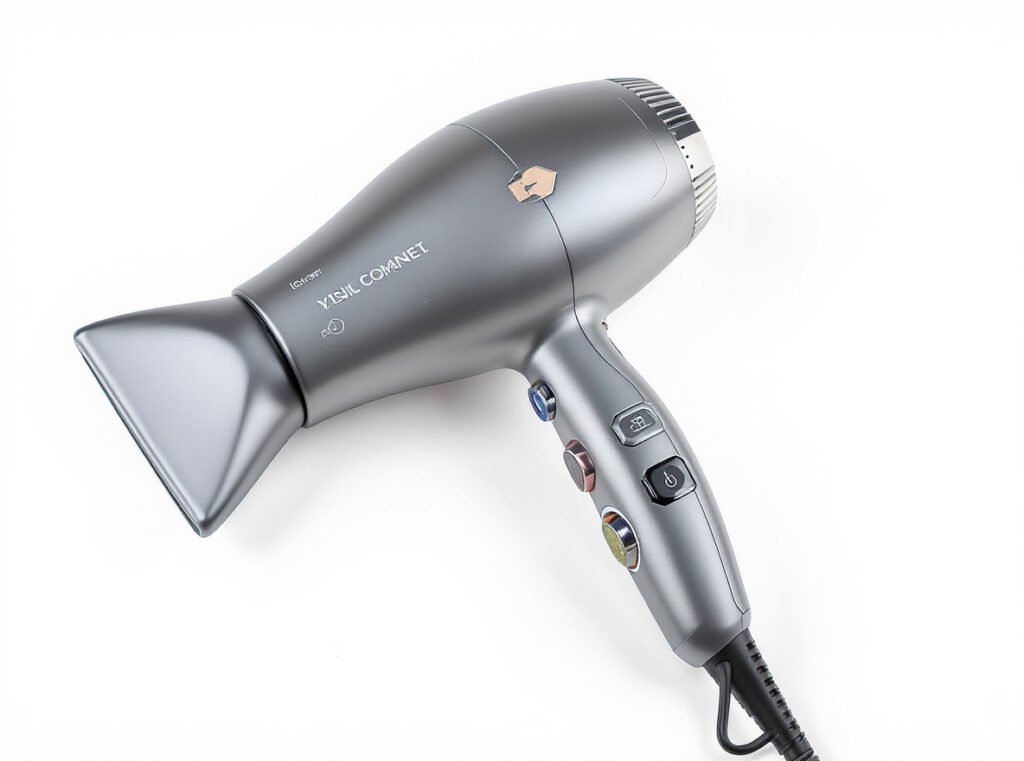
Hair dryers with multiple heat settings, fanned nozzle designs, adequate power output, and stability features work best with hood attachments. Essential features include low heat options, secure attachment compatibility, and sufficient airflow to maintain proper bonnet inflation.
Critical compatibility factors significantly impact treatment success:
Essential Heat Management: Look for dryers with multiple heat settings, particularly low heat options. Hood attachments work best with gentle, controlled heat rather than high-temperature operation. Avoid dryers that only operate on high heat settings.
Attachment Compatibility: Hood attachments attach more securely to dryers with fanned or concentrated nozzles. The rubber interior of most attachments grips better to these designs, preventing dangerous disconnections during use.
Power and Stability Requirements: Dryers should have sufficient airflow to inflate the hood properly while maintaining consistent temperature. Very low-power travel dryers may not provide adequate performance for effective treatments.
Professional-Grade Specifications:
| Feature Category | Minimum Requirement | Professional Standard | Treatment Impact |
|---|---|---|---|
| Heat Settings | 2 levels | 3+ levels with cool shot | Precise temperature control |
| Nozzle Design | Standard | Fanned/concentrated | Secure attachment fit |
| Power Output | Adequate inflation | 1800+ watts preferred | Consistent performance |
| Stability | Basic operation | Stand or back prongs | Hands-free positioning |
Advanced Features for Enhanced Results: Dryers with ionic technology help reduce frizz during conditioning treatments while improving overall hair health. Cool shot buttons enable proper cuticle sealing at treatment completion, locking in conditioning benefits.
Professional Equipment Recommendation: For salon use or frequent conditioning treatments, consider investing in professional-grade equipment designed for attachment compatibility. The Conason P1C high-speed hair dryer offers advanced ionic technology, multiple precise heat settings, and superior attachment compatibility that work exceptionally well with hood attachments.
This professional-grade dryer provides the consistent performance needed for both salon operations and serious home users seeking reliable, salon-quality conditioning results. You can explore the P1C’s specifications and conditioning capabilities at https://conason.com/product/conason-negative-ionic-fast-hair-dryer-with-screen-home-salon-use-p1c/.
For businesses looking to offer comprehensive hair care solutions, browse our complete collection of professional-grade dryers and accessories at https://conason.com/product/, designed to meet diverse client needs while maximizing treatment effectiveness and operational efficiency.
Summary
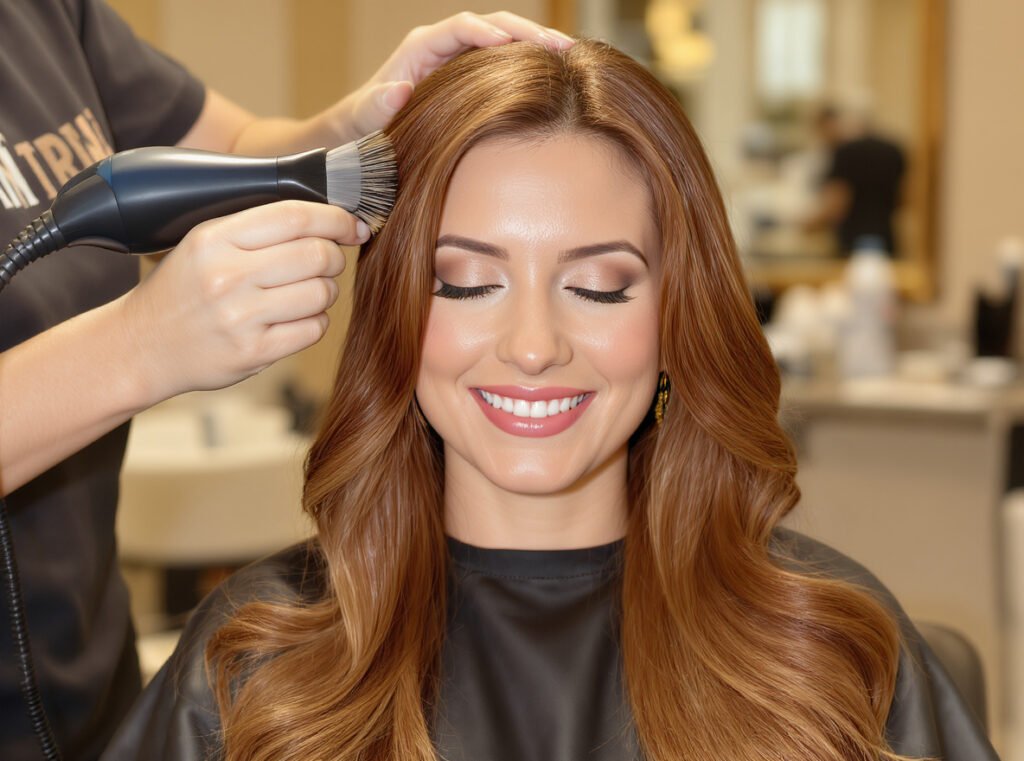
Hood attachments successfully transform regular hair dryers into effective deep conditioning systems, providing salon-quality results through gentle, even heat distribution and hands-free convenience. The controlled heating process opens cuticles for maximum product penetration while preventing damage associated with direct heat application, making them valuable tools for various hair types and professional applications.
For wholesalers and retailers interested in expanding their hair care product offerings, hood attachments represent a growing market segment bridging professional salon equipment and consumer convenience. Contact us to explore wholesale opportunities for complementary products that enhance the conditioning experience and meet your customers’ evolving hair care needs.