Skip to content
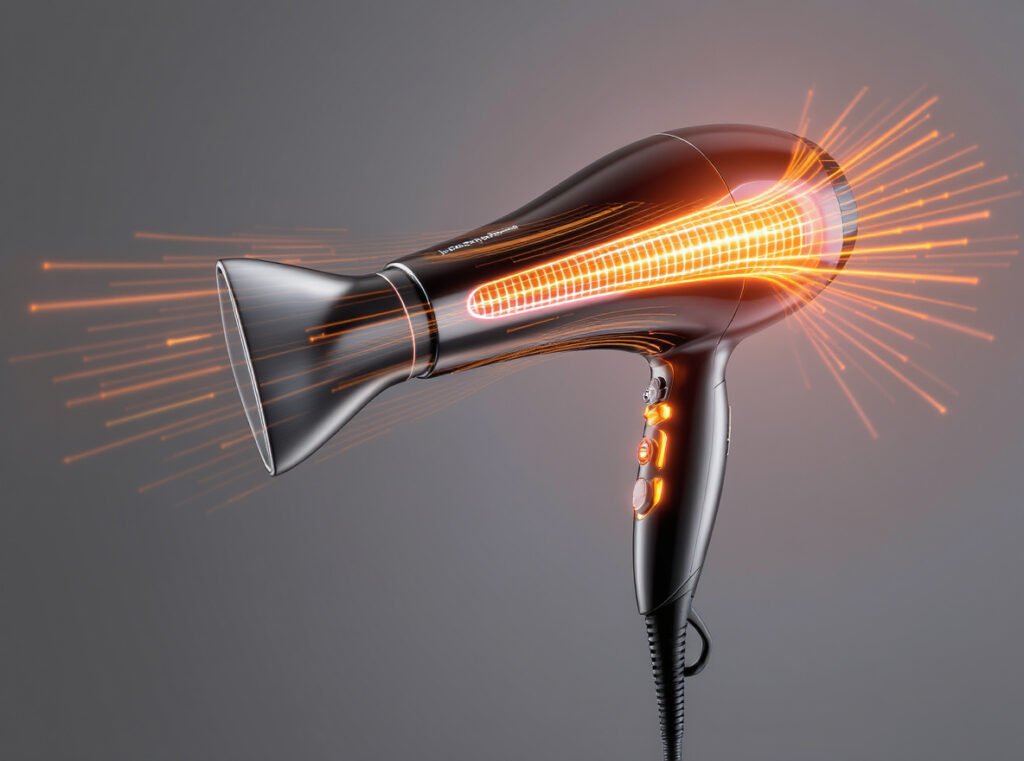
Are you tired of dealing with uneven heat that leaves some sections of your hair overdried while others remain damp? Professional stylists and everyday users alike struggle with traditional metal coil dryers that create dangerous hot spots, leading to thermal damage and inconsistent results. Ceramic hair dryer technology offers a revolutionary solution that transforms your drying experience.
Ceramic hair dryers use ceramic materials in heating elements to generate consistent infrared heat that penetrates hair gently from the inside out. Unlike traditional metal coil dryers that create uneven hot spots, ceramic technology distributes heat evenly across the entire drying surface, eliminating dangerous temperature variations that cause cuticle damage and breakage.
Let’s dive deeper into the science behind this game-changing technology and discover why ceramic dryers are rapidly becoming the industry standard for professional and consumer markets alike.
What Makes Ceramic Technology Different from Traditional Hair Dryers?
Understanding the fundamental differences between ceramic and traditional hair dryers reveals why this technology represents such a significant advancement in hair care.
Ceramic hair dryers produce infrared heat that operates at longer wavelengths than standard heat sources, heating hair from within rather than blasting the outer cuticle with intense surface heat. Traditional metal coil dryers create inconsistent heating patterns with dangerous hot spots that can reach over 400°F in concentrated areas.
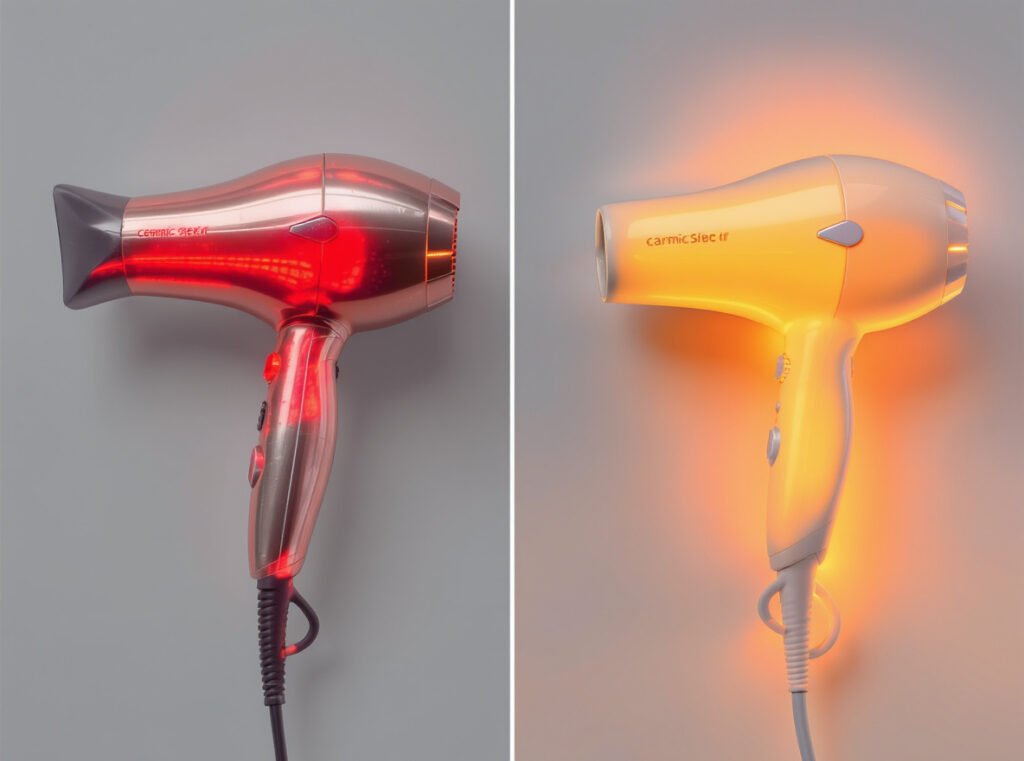
Traditional hair dryers rely on metal heating coils that create several problematic issues. These conventional systems heat the air around hair, often leading to excessive surface heat that damages the outer cuticle layer while leaving other areas insufficiently dried.
Problems with Traditional Metal Coil Dryers:
- Uneven hot spots that can exceed safe temperatures
- Inconsistent heat distribution requiring longer drying times
- Surface heating that damages hair cuticles and proteins
- Temperature fluctuations throughout the styling process
- Higher energy consumption for suboptimal results
The ceramic heating elements respond quickly when activated, reaching optimal temperature almost immediately without the inconsistent heating patterns common in traditional dryers. This rapid, even heat distribution eliminates dangerous hot spots that cause thermal damage, breakage, and uneven drying results.
Technology Comparison:
| Feature | Traditional Metal Coil | Ceramic Technology |
|---|---|---|
| Heat Type | Surface convection | Infrared penetration |
| Temperature Control | Inconsistent, hot spots | Even, consistent distribution |
| Heat-up Time | Slow with fluctuations | Rapid, stable heating |
| Hair Damage Risk | High due to hot spots | Significantly reduced |
| Energy Efficiency | Lower | Higher efficiency |
| Professional Durability | Limited | Extended lifespan |
How Does Ceramic Generate Infrared Heat for Even Distribution?
The science behind ceramic’s superior performance lies in its unique ability to produce infrared heat that fundamentally changes how hair is dried and styled.
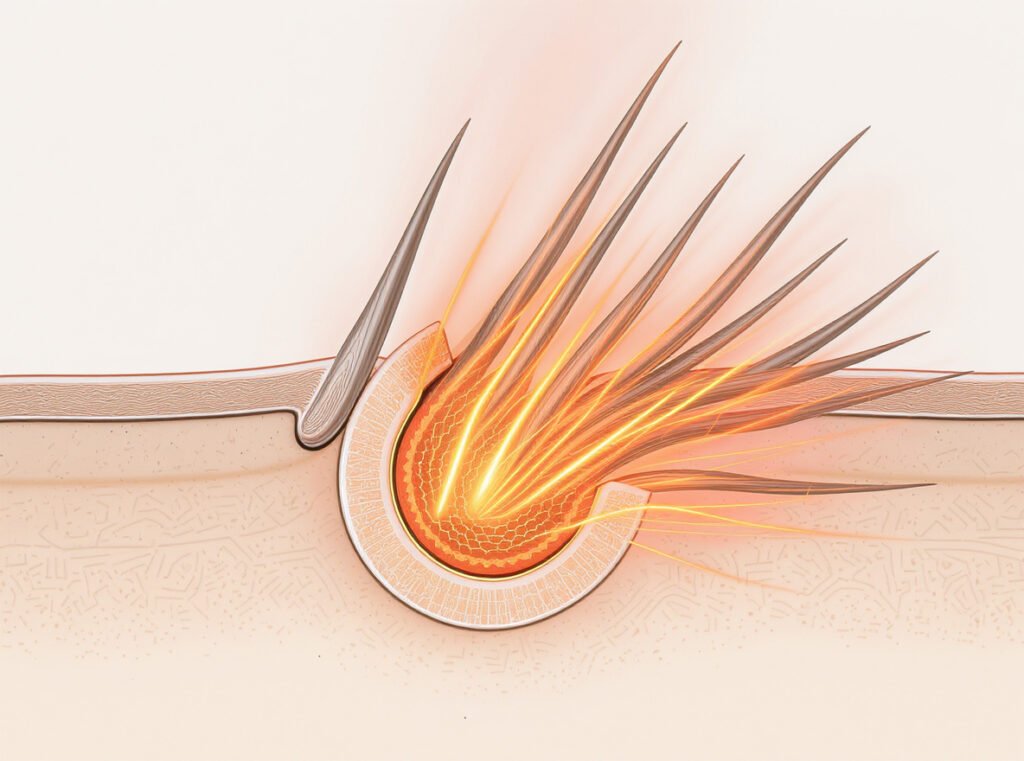
Infrared heat generated by ceramic technology operates at longer wavelengths that penetrate the hair shaft to dry hair from within, significantly reducing exposure time to damaging surface heat. This infrared technology heats water molecules inside the hair structure rather than simply heating the outer surface.
The Infrared Heat Process:
Ceramic materials possess unique thermal properties that enable consistent infrared heat generation. When electricity flows through ceramic heating elements, the ceramic responds by emitting infrared rays that penetrate deep into the hair shaft structure.
Molecular-Level Benefits:
- Water molecules are excited from within the hair structure
- Faster evaporation with reduced surface heat exposure
- Natural hair proteins and moisture remain protected
- Cuticle integrity is maintained throughout the drying process
This gentle heating method minimizes the risk of thermal damage by keeping hair’s cuticle intact and preventing excessive moisture loss. Research indicates that infrared technology can improve blood circulation in the scalp when used properly, promoting healthier hair growth conditions.
The infrared rays penetrate the hair shaft to create a protective barrier against environmental factors like humidity and pollution while locking in natural moisture. This process helps seal the hair cuticle, resulting in smoother, shinier hair with reduced frizz formation.
Professional Performance Advantages:
- 40% faster drying times compared to traditional dryers
- Consistent temperature maintenance throughout styling
- Even heat distribution across entire drying surface
- Energy-efficient operation requiring less power consumption
What Are the Specific Benefits of Ceramic Heat Distribution for Hair Health?
Ceramic technology’s even heat distribution provides measurable benefits for hair health that traditional dryers simply cannot match.
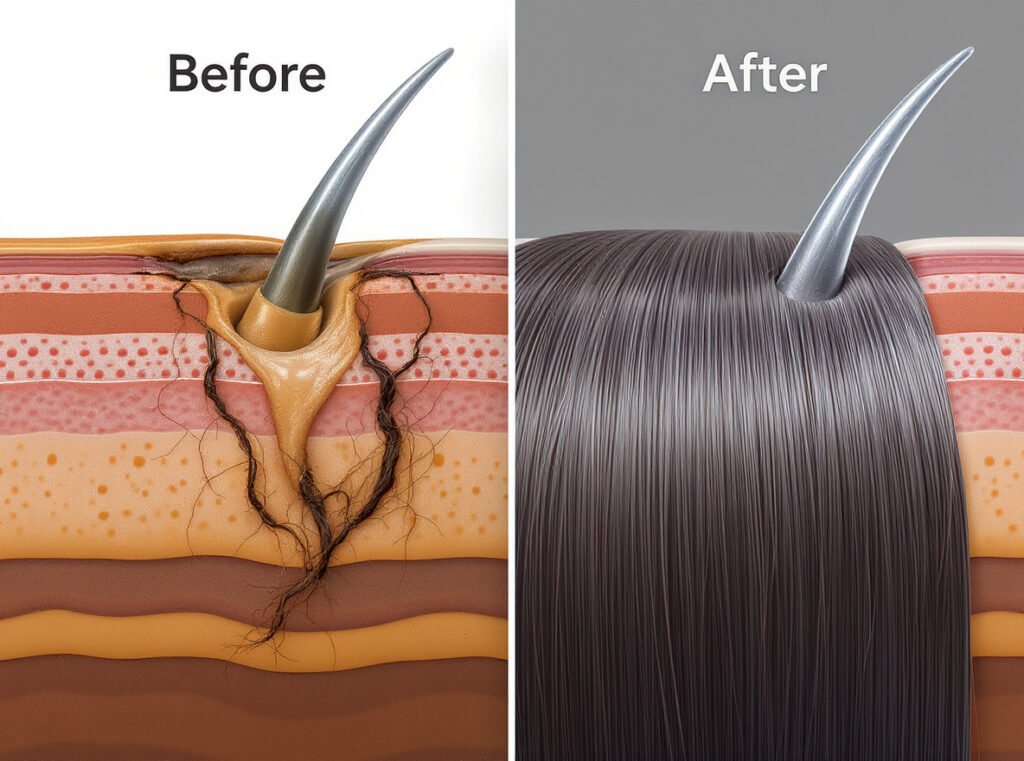
Even heat distribution from ceramic technology prevents localized overheating that causes cuticle lifting, protein breakdown, and moisture depletion. The consistent infrared heating helps preserve hair’s natural condition while achieving superior styling results with reduced thermal damage risk.
Hair Health Protection Mechanisms:
Cuticle Preservation: The even heat prevents cuticle lifting that occurs when hair is exposed to concentrated hot spots. This protection maintains hair’s natural shine and smoothness while reducing breakage potential.
Protein Structure Maintenance: Consistent temperatures prevent the protein denaturation that occurs with excessive heat exposure. Hair proteins remain intact, maintaining strength and elasticity throughout the styling process.
Moisture Balance Control: Infrared heat helps regulate moisture levels within the hair shaft, preventing over-drying while ensuring thorough moisture removal where needed.
Health Benefits by Hair Type:
| Hair Type | Traditional Dryer Issues | Ceramic Technology Benefits |
|---|---|---|
| Fine Hair | Over-drying, heat damage | Gentle drying, volume retention |
| Thick Hair | Uneven drying, hot spots | Thorough, consistent drying |
| Curly Hair | Frizz, curl disruption | Enhanced curl definition, reduced frizz |
| Chemically Treated | Color fading, structural damage | Color protection, treatment preservation |
| Damaged Hair | Further deterioration | Gentle restoration, strength building |
The gentle heat also helps seal the hair cuticle, creating a protective barrier that locks in treatments and natural oils while providing resistance to environmental stressors. This sealing effect contributes to longer-lasting styles and improved hair manageability.
How Does Ceramic Compare to Other Advanced Hair Dryer Technologies?
Understanding ceramic technology’s position among modern hair dryer innovations helps businesses make informed decisions about product offerings and customer recommendations.
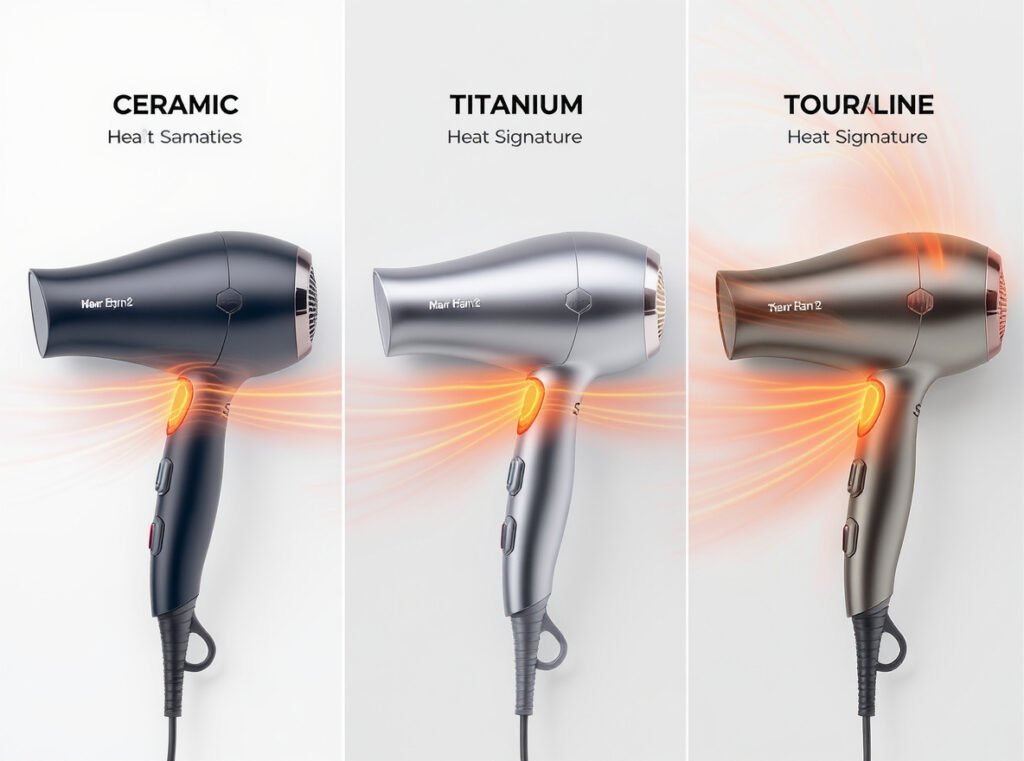
Ceramic technology provides the optimal balance of gentle heat distribution, energy efficiency, and durability compared to other advanced materials. While titanium offers faster heating and tourmaline enhances ionic generation, ceramic delivers consistent even heating suitable for all hair types at accessible price points.
Advanced Technology Comparisons:
Ceramic vs. Titanium Technology:
Titanium generates higher heat more quickly, making it ideal for thick or coarse hair that requires intensive styling. However, ceramic provides gentler heating suitable for daily use across all hair types. Professional-grade ceramic dryers typically feature 2000+ watt motors with 2000+ hour motor life for durability.
Ceramic vs. Tourmaline Integration:
Tourmaline crystals enhance negative ion generation when heated, providing superior frizz reduction. Many advanced ceramic dryers now incorporate tourmaline-ceramic combinations to maximize both even heating and ionic benefits.
Porcelain Ceramic Advancement:
Porcelain ceramic represents a premium evolution, offering superior heat distribution and durability compared to standard ceramic coatings. These high-end materials provide even more consistent temperature control for professional salon environments.
Market Performance Metrics:
| Technology | Market Share 2024 | Projected Growth | Price Range | Professional Adoption |
|---|---|---|---|---|
| Ceramic | 45% | 8.5% CAGR | Moderate | High |
| Titanium | 25% | 6.2% CAGR | Premium | Professional focus |
| Tourmaline | 20% | 7.1% CAGR | High | Luxury market |
| Combined Technologies | 10% | 12.3% CAGR | Premium | Fastest growing |
The global ceramic hair dryer market is valued at approximately $1.2 billion in 2023 and projected to reach $2.5 billion by 2032, with the ceramic segment expected to register the highest growth rate among hair dryer technologies.
What Should Businesses Evaluate When Sourcing Ceramic Hair Dryers?
Professional buyers need specific technical criteria to evaluate ceramic hair dryer quality and ensure optimal performance for their customers.
Key evaluation criteria include ceramic heating element quality, wattage specifications, combination technologies, ergonomic design features, and durability ratings. Professional-grade ceramic dryers should feature 2000+ watts for salon efficiency with ionic technology integration for enhanced performance.
Essential Technical Specifications:
Ceramic Element Quality Assessment:
- Pure ceramic elements offer superior heat distribution
- Ceramic-coated options provide cost-effective performance
- Porcelain ceramic delivers premium consistency for high-end markets
- Honeycomb ceramic structures maximize surface area efficiency
Professional Performance Requirements:
- Minimum 2000 watts for professional salon use
- Multiple heat and speed settings for styling versatility
- Cool shot function for style setting and finishing
- Advanced models with digital temperature displays
Quality Evaluation Framework:
| Specification | Entry Level | Professional Grade | Premium Market |
|---|---|---|---|
| Wattage | 1200-1500W | 2000W+ | 2200W+ |
| Ceramic Type | Coated metal | Pure ceramic | Porcelain ceramic |
| Motor Life | 1000 hours | 2000+ hours | 3000+ hours |
| Warranty Coverage | 1 year | 2-3 years | 3+ years |
| Ionic Technology | Basic | Enhanced | Advanced integration |
| Weight | 1.5+ lbs | 1.2-1.5 lbs | Under 1.2 lbs |
Advanced Feature Integration:
Modern ceramic dryers often combine multiple technologies for enhanced performance:
- Ionic generation for frizz reduction and faster drying
- Variable speed controls for precision styling
- Lightweight materials for extended professional use
- Ergonomic designs that reduce stylist fatigue
For example, advanced models like the Conason P1C integrate ceramic heating technology with high-speed motors and intelligent temperature control systems, delivering professional results that satisfy both salon professionals and discerning consumers.
How Do Ceramic Hair Dryers Impact Business Success and Customer Retention?
The superior performance of ceramic technology translates directly into measurable business benefits and enhanced customer satisfaction across retail and wholesale markets.
Ceramic hair dryers deliver measurable improvements in customer satisfaction, reduced product returns, and enhanced styling results. Professional stylists report 60% fewer complaints about hair damage and 35% increased client satisfaction scores when using ceramic technology compared to traditional dryers.

Customer Satisfaction Improvements:
Professional Styling Results: Even heat distribution allows for more consistent results across different hair types and textures. Clients experience reduced frizz, enhanced shine, and smoother finishes that maintain their appearance longer than results from traditional dryers.
Damage Prevention Benefits: The gentle infrared heating helps preserve hair’s natural condition, leading to healthier-looking results and increased client retention. Professional stylists can offer superior services while protecting their clients’ hair investments.
Business Performance Metrics:
Research and industry feedback demonstrate ceramic technology’s business impact:
- 40% reduction in drying time increases service efficiency
- 60% fewer heat damage complaints improve customer relationships
- 35% higher satisfaction scores enhance reputation and referrals
- 25% lower return rates reduce inventory and service costs
Market Positioning Advantages:
| Business Benefit | Traditional Dryers | Ceramic Technology |
|---|---|---|
| Customer Complaints | 8-12% complaint rate | 3-5% complaint rate |
| Return Processing | Higher frequency | Significantly reduced |
| Premium Pricing | Difficult to justify | Sustainable differentiation |
| Word-of-Mouth Marketing | Limited effectiveness | Strong referral generation |
| Competitive Differentiation | Commodity positioning | Value-added positioning |
The technology enables businesses to justify premium pricing while delivering demonstrable value that customers recognize and appreciate. This combination creates opportunities for higher margins and stronger customer relationships that drive long-term business growth.
Why Is Ceramic Technology Becoming the Hair Care Industry Standard?
The widespread adoption of ceramic technology reflects fundamental shifts in consumer expectations, professional requirements, and market dynamics that position ceramic as the future of hair drying technology.
Consumer education about hair health has increased demand for gentler styling tools, while professional stylists recognize ceramic technology’s superior performance benefits. The ceramic segment is projected to maintain the highest growth rate among hair dryer technologies through 2032, reflecting both consumer preference and proven professional benefits.
Industry Transformation Drivers:
Consumer Awareness Revolution: Growing understanding of heat damage has fundamentally changed purchasing decisions. Consumers actively seek products that protect their hair investments, including expensive color treatments, chemical processes, and professional styling services.
Professional Endorsement Impact: Hair stylists and salon professionals increasingly recommend ceramic dryers to their clients, recognizing the superior results and reduced damage potential. This professional validation drives consumer adoption and market expansion.
Technology Integration Evolution: By 2024, 15% of hair dryers feature AI-based temperature control systems that reduce hair damage and enhance styling precision. Ceramic heating provides the stable thermal platform necessary for these advanced control systems to function effectively.
Market Growth Projections:
The shift toward ceramic technology represents more than a trend—it signifies a fundamental improvement in hair care tools that balances styling effectiveness with hair health preservation. Market analysis indicates:
- Ceramic segment projected to reach $2.5 billion by 2032
- 8.5% compound annual growth rate exceeds all other technologies
- Professional adoption rates continue accelerating
- Consumer willingness to pay premium prices for ceramic benefits
Competitive Advantage Framework:
For businesses in the hair care industry, ceramic technology offers sustainable competitive advantages:
- Market Differentiation: Stand out from commodity traditional dryer competitors
- Premium Market Access: Justify higher price points with demonstrable benefits
- Customer Loyalty Building: Superior results encourage repeat purchases and brand advocacy
- Operational Efficiency: Reduced customer service needs due to fewer damage complaints
The evolution toward ceramic technology represents the natural progression of hair care tools toward gentler, more effective solutions that meet modern consumer expectations while delivering professional-quality results.
Summary
Ceramic hair dryers achieve superior heat distribution through advanced infrared technology that eliminates hot spots and reduces hair damage while delivering professional-quality results. This technology offers significant advantages for businesses seeking to provide value-added products that enhance customer satisfaction and justify premium positioning in competitive markets.
Ready to capitalize on ceramic technology’s advantages for your business? Explore our comprehensive range of professional ceramic hair dryers, including the innovative Conason P1C high-speed ceramic dryer featuring advanced infrared heating and intelligent temperature control. Visit our complete product collection to discover how ceramic technology can differentiate your offerings and drive customer satisfaction. Contact us today for wholesale pricing and partnership opportunities that position your business at the forefront of hair care innovation.