Skip to content
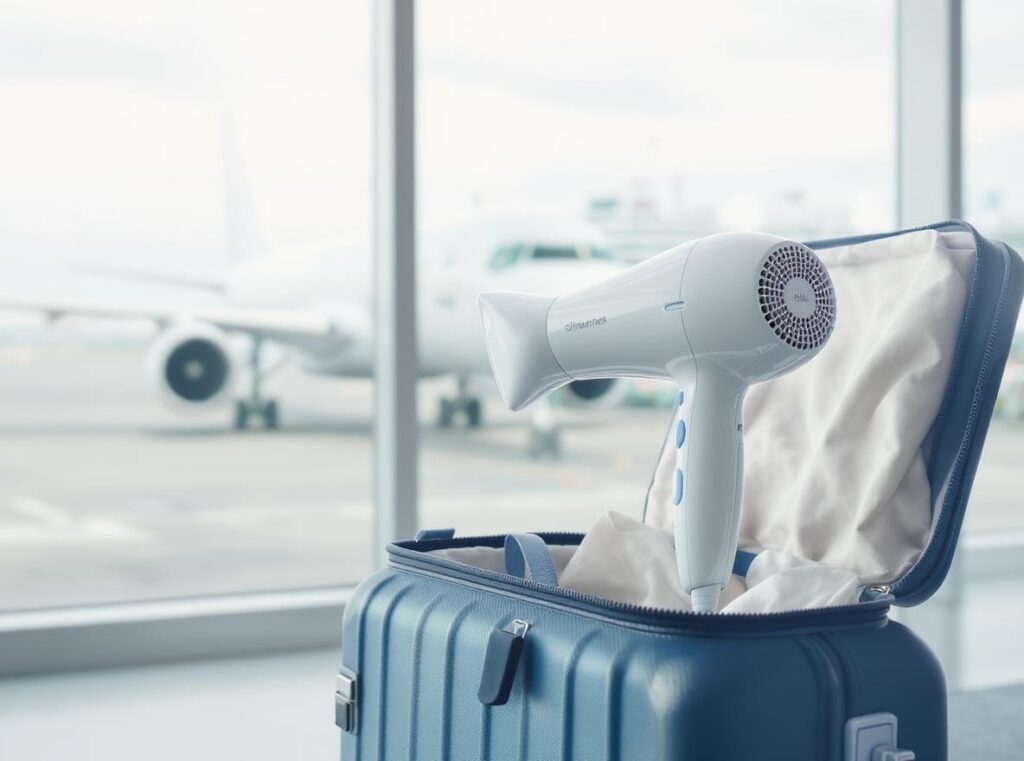
Planning your next vacation but worried about bringing your favorite hair dryer? You’re not alone. Many travelers struggle with packing restrictions and wonder if they’ll have to sacrifice their hair styling routine while away from home.
Yes, hair dryers are allowed on both planes and cruise ships. The TSA permits corded hair dryers in carry-on and checked luggage, while cruise lines generally allow personal hair dryers as long as they meet safety standards. However, specific rules and restrictions vary between airlines and cruise lines.
Ready to learn everything you need to know about traveling with hair dryers? Keep reading for detailed guidelines and expert tips.
Are Hair Dryers Allowed on Airplanes?
Travel anxiety often centers around what you can and cannot bring on flights. Hair dryers fall into the category of personal care items that many people assume might be restricted.
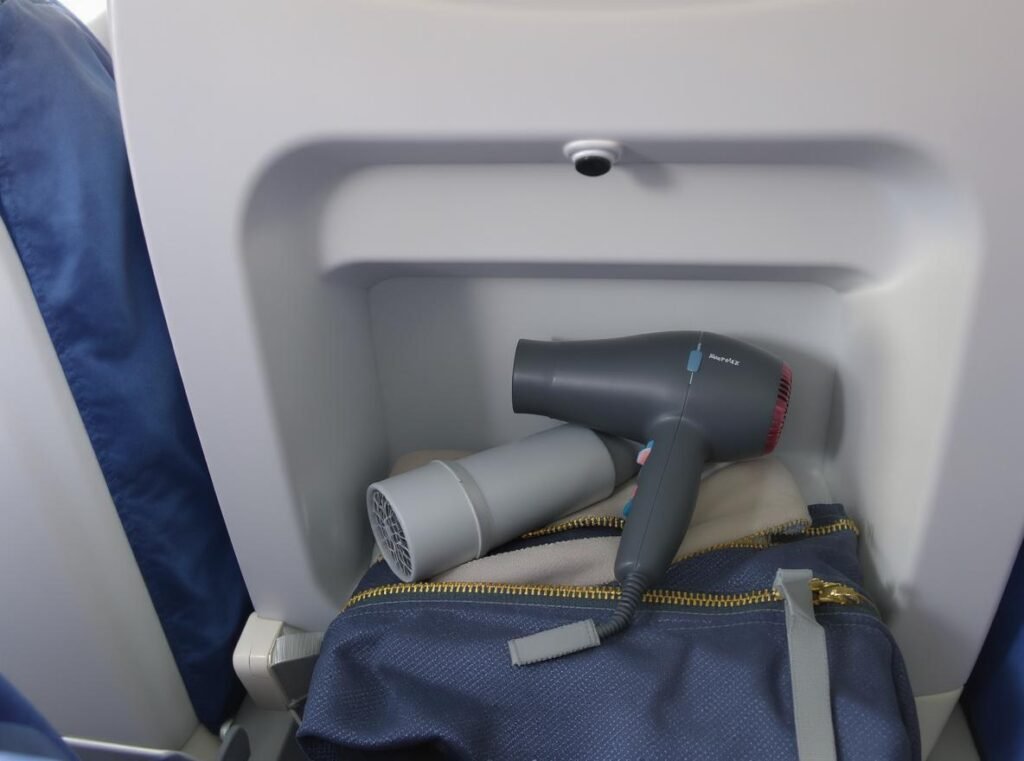
Hair dryers are permitted in both carry-on and checked bags according to TSA regulations. Standard corded electric hair dryers pose no security threat and typically pass through airport screening without issues, with no need to remove them at security checkpoints.
TSA Guidelines for Different Hair Dryer Types
The Transportation Security Administration has clear rules, but the type of hair dryer matters significantly:
Corded Electric Hair Dryers: Fully permitted in carry-on and checked luggage without restrictions. These traditional plug-in models are treated like any other small electronic device during security screening.
Cordless/Battery-Powered Models: Must be packed in carry-on luggage only, not checked baggage, due to lithium battery safety regulations. The batteries pose potential fire risks in cargo holds.
Butane or Gas-Powered Styling Tools: Completely prohibited on aircraft due to flammable fuel content. These devices are considered hazardous materials and will be confiscated.
International Flight Considerations
Flying internationally introduces additional complexity beyond domestic TSA rules:
| Consideration | Domestic Flights | International Flights |
|---|---|---|
| Voltage Compatibility | Not applicable | Check destination voltage (110V vs 220V) |
| Wattage Restrictions | Generally none | Some countries limit high-wattage devices |
| Adapter Requirements | Not needed | Universal adapter often required |
| Customs Regulations | Not applicable | May need to declare expensive electronics |
Some airlines impose wattage restrictions on high-powered devices, particularly for smaller aircraft. Always confirm with your specific airline before international travel to avoid surprises at security checkpoints.
Can You Bring Hair Dryers on Cruise Ships?
Cruise ship policies differ significantly from airline regulations due to fire safety concerns and limited electrical capacity in cabins.
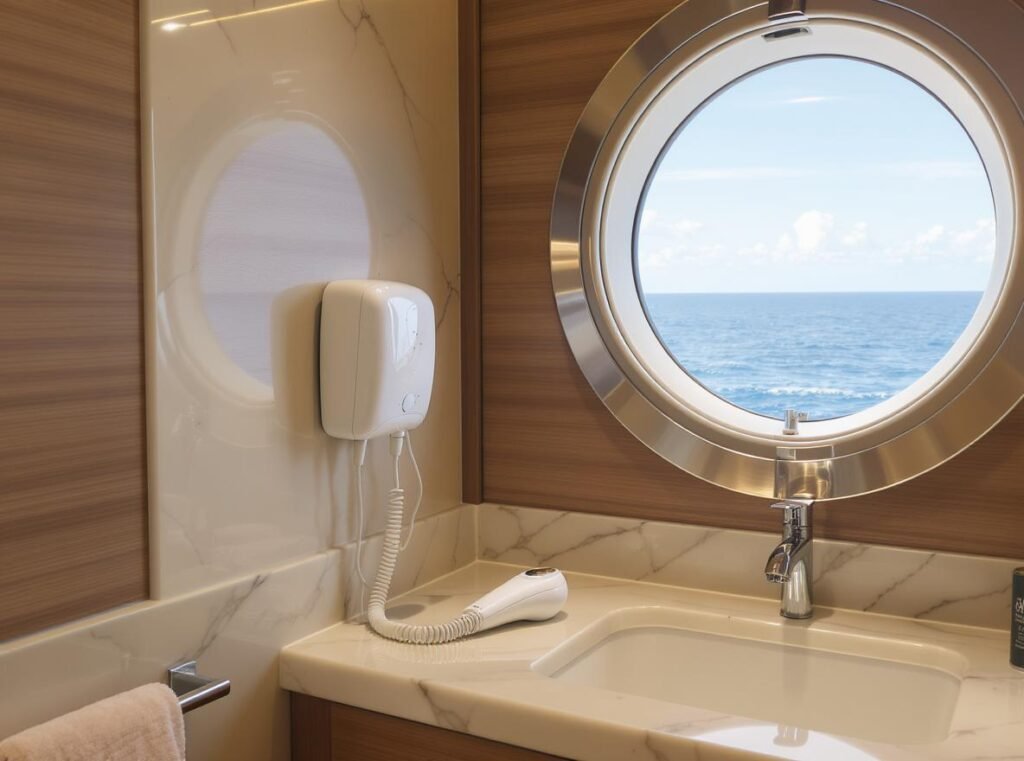
Hair dryers are permitted on most major cruise lines, including Royal Caribbean, as an exception to their general ban on heating elements. Most cruise cabins already provide hair dryers, but passengers can bring personal units if preferred.
Major Cruise Line Policies
Understanding each cruise line’s specific rules helps you pack appropriately:
Royal Caribbean: Explicitly allows hair dryers while prohibiting most other heating devices. Their policy recognizes hair dryers as essential personal care items.
Carnival: Permits personal hair dryers in good working condition. Damaged cords or malfunctioning safety features may result in confiscation during embarkation screening.
Norwegian Cruise Line: Provides hair dryers in all staterooms and allows personal units. Their cabin dryers are typically 1200-1400 watts.
Celebrity Cruises: Allows hair dryers while maintaining strict prohibitions on other high-wattage appliances like space heaters or hot plates.
Electrical Limitations on Ships
Cruise ships present unique electrical challenges that affect hair dryer performance:
Cabin electrical systems are designed for lower power consumption than typical home outlets. High-wattage professional dryers exceeding 1800 watts may trip circuit breakers, especially when other devices operate simultaneously.
Voltage remains consistent at 110V on most North American cruise lines, but some international vessels may provide different electrical standards. Always check with your cruise line before departure.
Do You Actually Need to Bring Your Own Hair Dryer?
This question deserves serious consideration given luggage weight restrictions and convenience factors affecting modern travel.
Most cruise ships, hotels, and even many hostels provide hair dryers for guests, but the quality and power often disappoint travelers accustomed to professional-grade equipment at home. Bringing your own may be unnecessary unless you have specific styling needs.
Provided vs. Personal Hair Dryers Reality Check
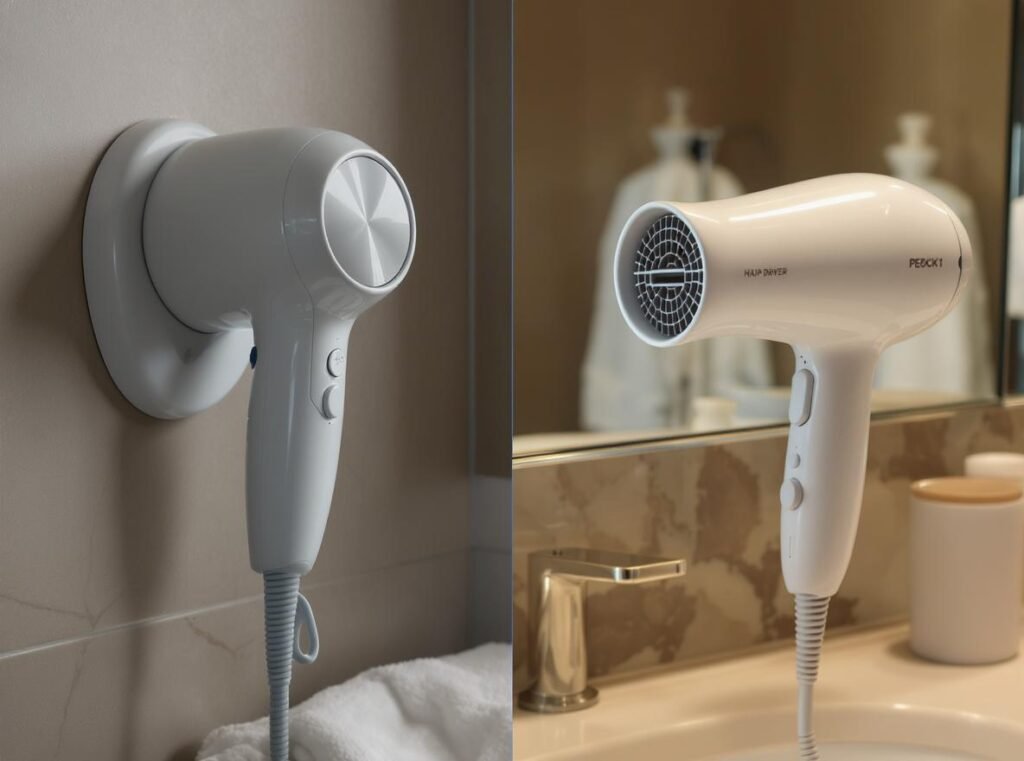
The gap between provided and personal dryers is often significant:
Hotel/Cruise Ship Dryers: Usually mounted to bathroom walls with short cords and limited mobility. Power typically ranges from 1000-1400 watts with basic heat settings.
Personal High-Quality Dryers: Offer 1800+ watts, multiple temperature settings, various speed options, and included attachments like concentrators and diffusers.
Performance Differences: Provided dryers often require 8-12 minutes for complete drying, while personal professional models achieve similar results in 4-8 minutes.
When Bringing Your Own Makes Sense
Consider packing your personal dryer in these specific situations:
You have thick, long, or chemically-treated hair requiring specific heat and speed combinations. Generic accommodation dryers rarely provide adequate power for efficient styling of difficult hair types.
Extended stays lasting more than two weeks justify the luggage space investment. The daily convenience and consistent results outweigh packing challenges for longer journeys.
Professional commitments require polished appearance daily. Business travelers attending conferences or formal events need reliable, high-performance equipment they can trust.
International Travel Considerations
Cross-border travel introduces additional complexity beyond domestic airline and cruise regulations that many travelers overlook.
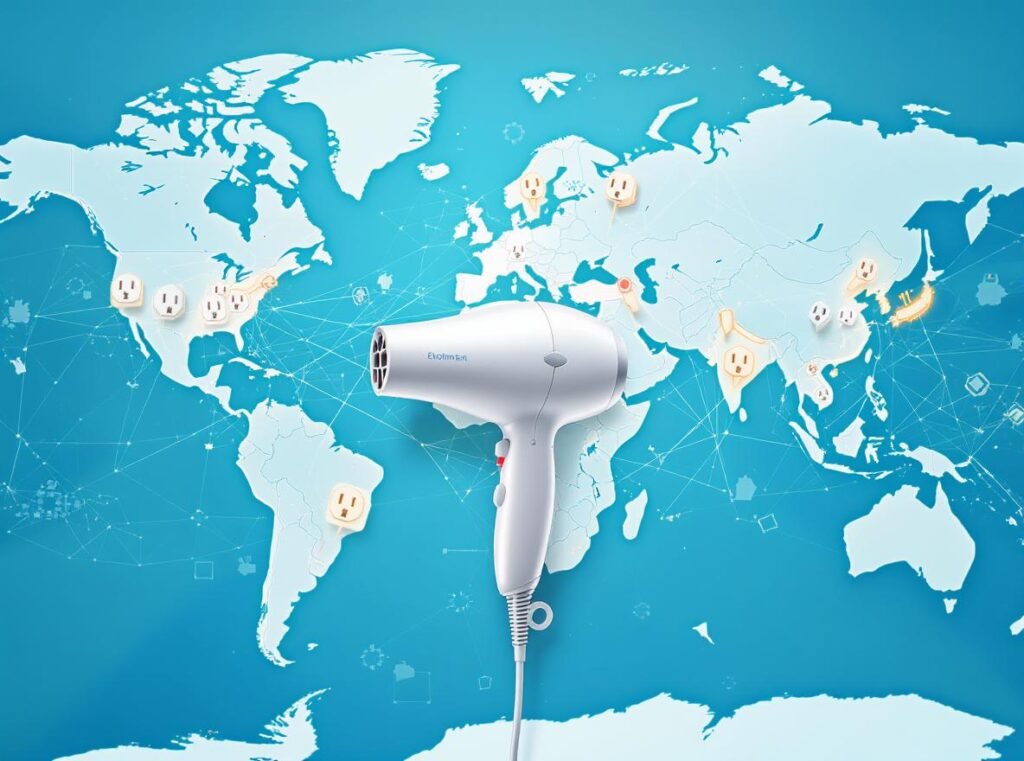
Voltage differences, plug adapters, and customs regulations vary significantly between countries, making international hair dryer travel more challenging than domestic trips. U.S. hair dryers operate on 110-120V while most other countries use 220-240V systems.
Voltage Compatibility Challenges
The voltage difference between countries creates the biggest travel hair dryer challenge:
Single-Voltage Dryers: Using a 110V American dryer on 220V European power without proper conversion will damage the device and potentially create safety hazards including electrical fires.
Dual-Voltage Models: Automatically adjust to local electrical systems, eliminating compatibility concerns. These models typically cost 20-30% more but provide global peace of mind.
Adapters vs. Converters: Travel adapters only change plug shapes to fit foreign outlets. Voltage converters actually transform electrical current, but they’re bulky and often incompatible with high-wattage devices.
Country-Specific Regulations
Some destinations impose additional restrictions on imported electrical appliances:
- European Union: Requires CE certification marking for electrical products sold or used commercially
- Australia: Maintains strict import rules for heating appliances to protect electrical grid stability
- Japan: May require documentation proving voltage compatibility for high-wattage devices
Research destination-specific regulations before international travel to avoid customs delays, additional fees, or device confiscation upon arrival.
Professional vs. Travel Hair Dryers
The market offers specialized travel dryers designed specifically for frequent travelers and vacation use, creating distinct product categories.
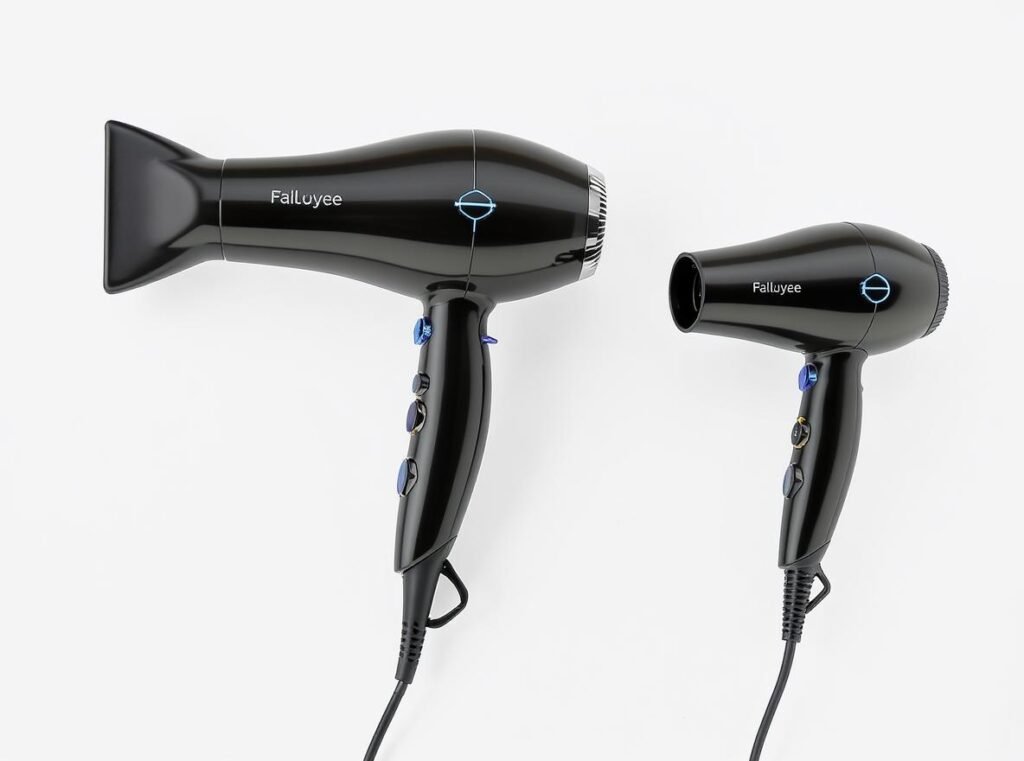
Travel hair dryers prioritize portability, dual-voltage capability, and compact storage over maximum power, making them ideal compromises for regular travelers who want better performance than hotel-provided options without professional-grade bulk.
Feature Comparison Analysis
| Feature | Professional Hair Dryer | Travel Hair Dryer |
|---|---|---|
| Weight | 2-3 pounds | Under 1.5 pounds |
| Power Output | 1800-2000+ watts | 1200-1600 watts |
| Voltage | Usually single-voltage | Often dual-voltage |
| Size | Full-size, salon-grade | Compact, foldable handle |
| Attachments | Multiple professional nozzles | Basic concentrator included |
| Price Range | $100-300+ | $30-150 |
| Durability | Commercial-grade components | Lightweight materials |
Conason P1C: Professional Performance in Travel Size
For wholesale buyers seeking high-quality travel solutions, the Conason P1C represents an ideal balance of professional performance and travel convenience.
This negative ionic fast hair dryer features advanced ionic technology that reduces frizz and static while maintaining compact dimensions suitable for frequent travel. The digital screen display provides precise temperature control unavailable in most travel dryers.
Multiple heat and speed settings accommodate different hair types and styling preferences, while included attachments ensure versatile styling options worldwide. Professional-grade construction meets international safety standards, making it perfect for global distribution to wholesalers and retailers.
The dual-voltage capability eliminates conversion concerns, while the compact design fits easily in carry-on luggage without exceeding weight restrictions.
Safety Tips for Traveling with Hair Dryers
Proper handling prevents accidents and ensures your dryer functions reliably throughout your trip while maintaining safety standards.
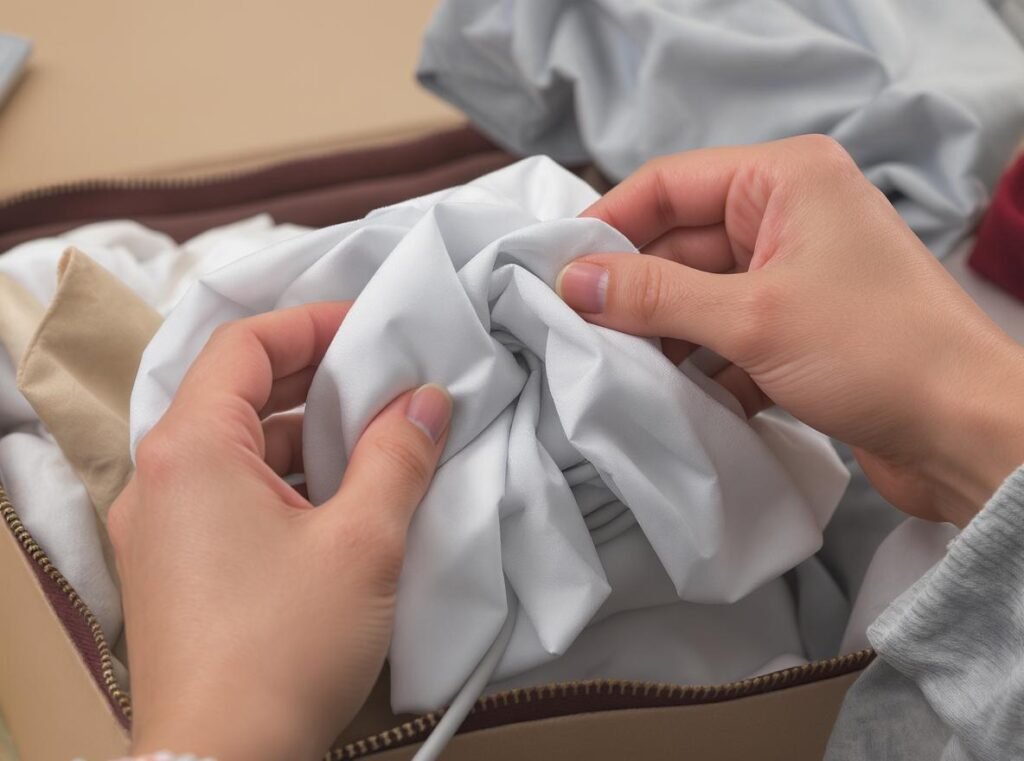
Always inspect your hair dryer before packing, checking for frayed cords, loose connections, or damaged housing that could create safety hazards during travel. Damaged equipment poses risks to both users and fellow travelers.
Pre-Travel Safety Inspection
Conduct a thorough examination before every trip:
Electrical Components: Check power cords for cracks, exposed wires, or bent plugs indicating potential electrical problems. Even minor damage can worsen during travel handling.
Housing Integrity: Examine the dryer body for cracks or loose components that might separate during baggage handling. Internal damage often isn’t visible externally.
Functional Testing: Test all switches, heat settings, and speed controls to ensure proper operation. Intermittent problems often become complete failures when repair services aren’t available.
Smart Packing Strategies
Protect your investment and prevent travel mishaps:
- Cool Down Period: Never pack hair dryers immediately after use. Hot components can damage other items or create fire hazards in closed luggage
- Protective Wrapping: Use soft materials like towels or bubble wrap to cushion sensitive components during baggage handling
- Cord Management: Wrap cords loosely to prevent kinking and internal wire damage
- Separate Accessories: Pack concentrators, diffusers, and other attachments in labeled bags to prevent loss
Never use high settings on dual-voltage dryers overseas unless manufacturer documentation specifically confirms compatibility. Some dual-voltage models have power limitations when operating on 220V systems.
Alternative Solutions for Travel Hair Care
Smart travelers consider multiple options beyond simply bringing their home hair dryer on every trip, especially for short vacations.
Portable styling tools, professional blowout services, and strategic hair care planning can eliminate the need for travel dryers while maintaining your desired appearance. These alternatives often prove more practical than hauling full-size equipment.
Compact Styling Alternatives
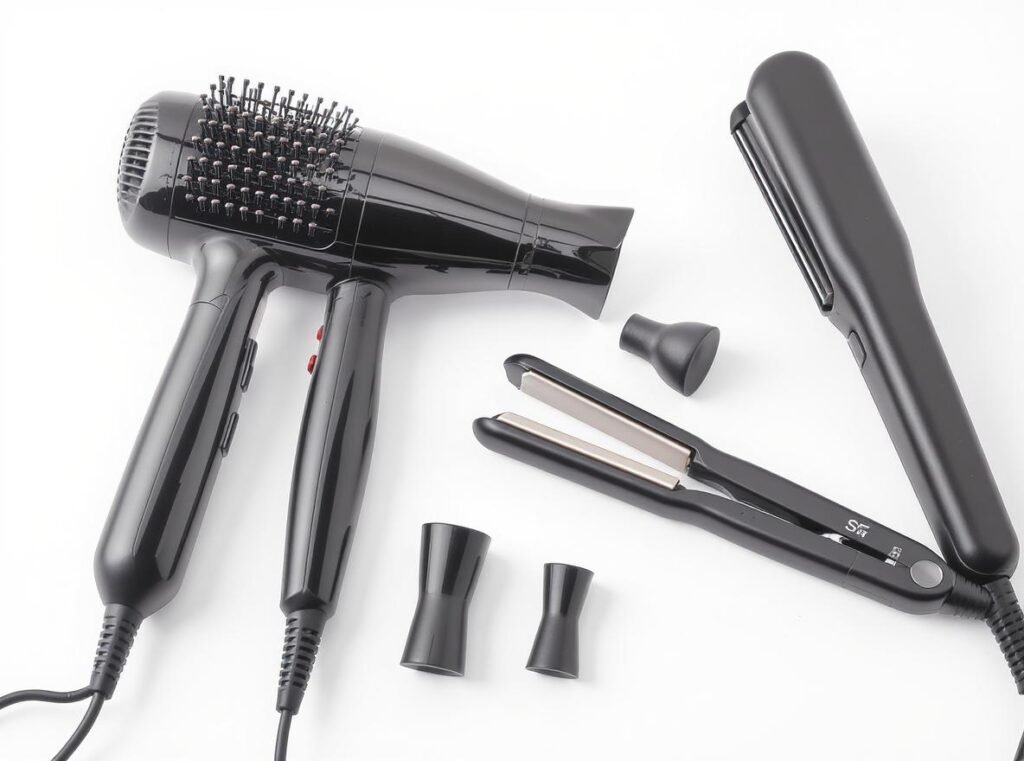
Modern travel accessories provide styling options without traditional dryer bulk:
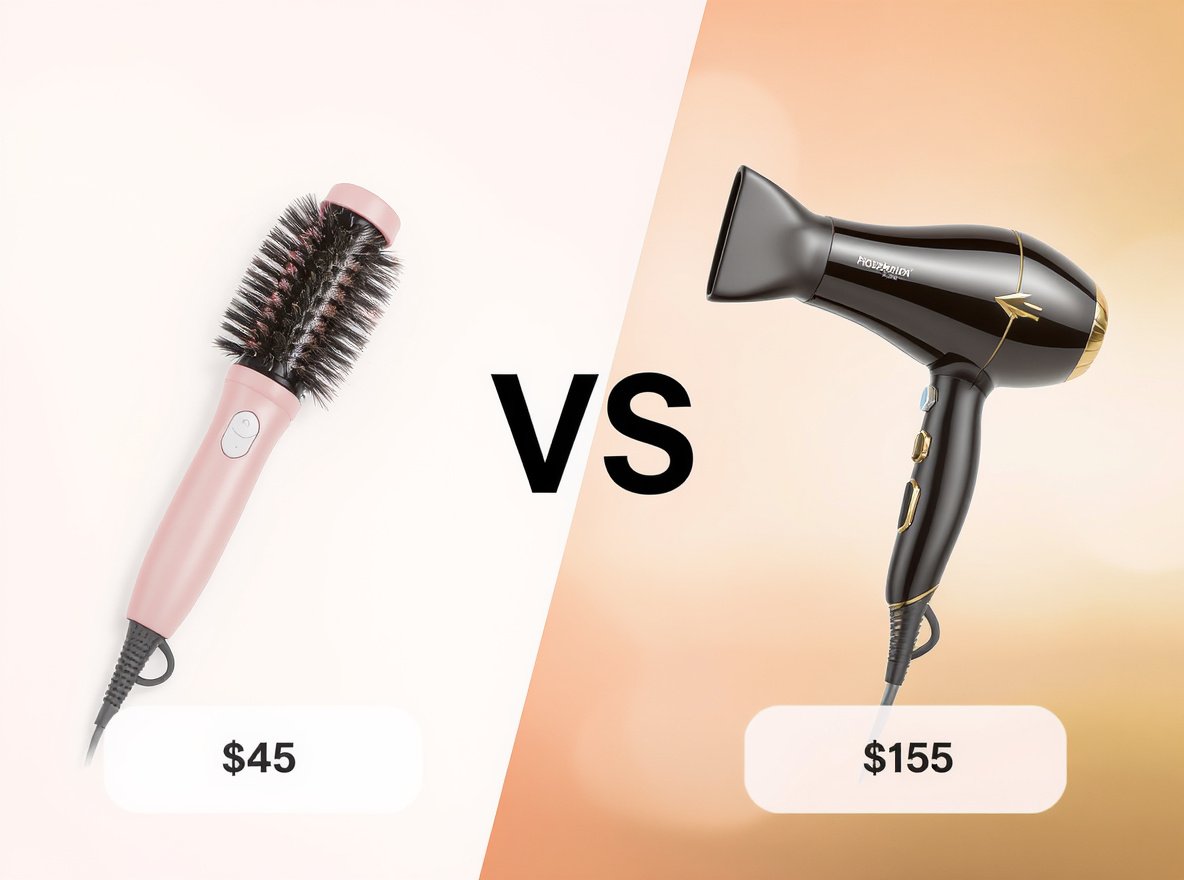
Hot Air Brushes: Combine brushing and drying functions in tools weighing less than 1 pound. These devices work excellently for touch-ups and maintaining styles between full washes.
Hair Straightening Brushes: Heat quickly and require minimal packing space while providing sleek, professional results. They’re particularly effective for travelers preferring straight styles over voluminous blowouts.
Heated Rollers: Create salon-quality curls without requiring separate dryers and curling irons. Modern sets include dual voltage compatibility and compact travel cases.
Professional Service Options
Many destinations offer affordable alternatives to bringing equipment:
Local Blowout Services: Often cost less than airline overweight baggage fees while providing professional results. Research salon options before travel to identify convenient locations.
Hotel Concierge Arrangements: Many upscale hotels can arrange in-room styling for important events, eliminating equipment concerns while ensuring expert results.
Cruise Ship Salons: Feature professional-grade equipment and experienced stylists. Booking appointments early ensures availability for special occasions or formal nights.
Heatless Styling Methods
Consider low-maintenance approaches that eliminate equipment needs entirely:
Air-drying techniques combined with quality leave-in products can create attractive styles without any heated tools. This approach works particularly well in humid tropical destinations where heat styling becomes challenging anyway.
Wholesale Opportunities in Travel Hair Care
The recovering travel industry creates significant opportunities for distributors and retailers specializing in portable hair care solutions.
Consumer demand for high-quality travel dryers continues increasing as international travel rebounds and travelers seek professional results away from home. The market shows particular growth in dual-voltage and compact professional models.

Market Trends and Growth Areas
Current industry data reveals several promising segments:
Dual-Voltage Models: Represent the fastest-growing category with 35% year-over-year growth in international markets. Consumers increasingly prioritize global compatibility over maximum power output.
Compact Professional Dryers: Appeal to business travelers and frequent cruisers unwilling to compromise on performance. This premium segment offers retailers higher profit margins than basic travel models.
Eco-Conscious Products: Energy-efficient models with longer lifespans attract environmentally aware consumers. Sustainable manufacturing and packaging create competitive advantages in developed markets.
Partnership Opportunities with Conason
Conason specializes in manufacturing high-quality hair dryers designed specifically for international distribution and wholesale markets. Our products meet safety standards across major global markets, simplifying import processes and retail compliance.
The P1C model addresses growing travel market demands with dual-voltage capability, compact professional design, and salon-quality performance. This versatility makes it ideal for retailers serving both residential and travel market segments.
Our comprehensive wholesale program supports distributors with competitive pricing structures, reliable international shipping, and complete technical support. Explore our complete product collection to discover solutions perfectly suited for your target markets.
For detailed specifications, wholesale pricing information, and partnership opportunities, contact our experienced team to discuss how Conason can support your business growth in the expanding travel hair care market.
Summary
Hair dryers are permitted on both airplanes and cruise ships, though specific regulations vary by carrier and destination. Smart travelers consider alternatives like dual-voltage travel dryers, professional services, or provided amenities to balance convenience with performance. The growing travel market creates excellent opportunities for wholesalers and retailers specializing in portable hair care solutions.