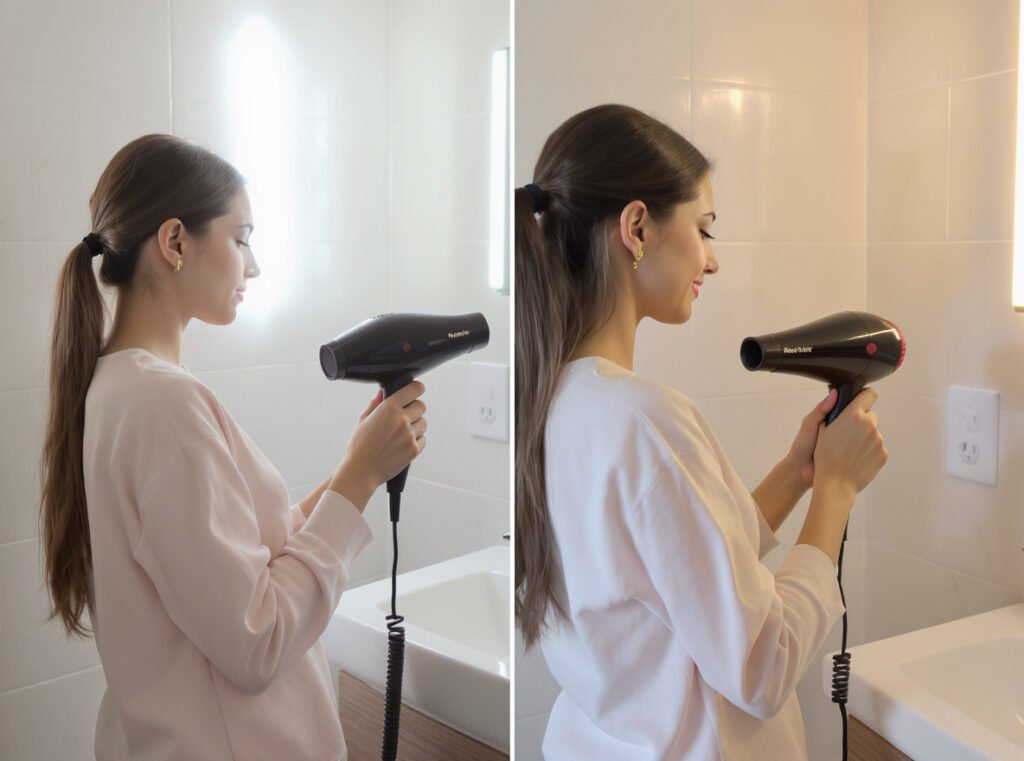
You’re getting ready for work, plug in your hair dryer, and suddenly the bathroom lights dim noticeably. This frustrating electrical phenomenon affects countless households and raises legitimate concerns about electrical safety. Understanding the root cause helps you protect your electrical system and make smarter appliance choices.
Hair dryers consume 1,500-2,000 watts of electricity, drawing 15-20 amps on standard 120-volt circuits. This massive power demand creates voltage drops across shared electrical circuits, causing lights to dim temporarily when the appliance starts up. The issue stems from circuit overload and inadequate electrical capacity for modern high-power devices.
Discover the exact causes, safety implications, and proven solutions to eliminate this common electrical problem.
How Much Power Does a Hair Dryer Actually Use?
Understanding your hair dryer’s enormous power consumption explains why it impacts your home’s electrical system so dramatically.
Hair dryers typically consume 1,500 to 2,000 watts of electricity, making them among the most power-hungry appliances in your home. Professional models can demand up to 2,400 watts, operating at 15-20 amps on standard household circuits—nearly maxing out most residential circuits rated at 20 amps.
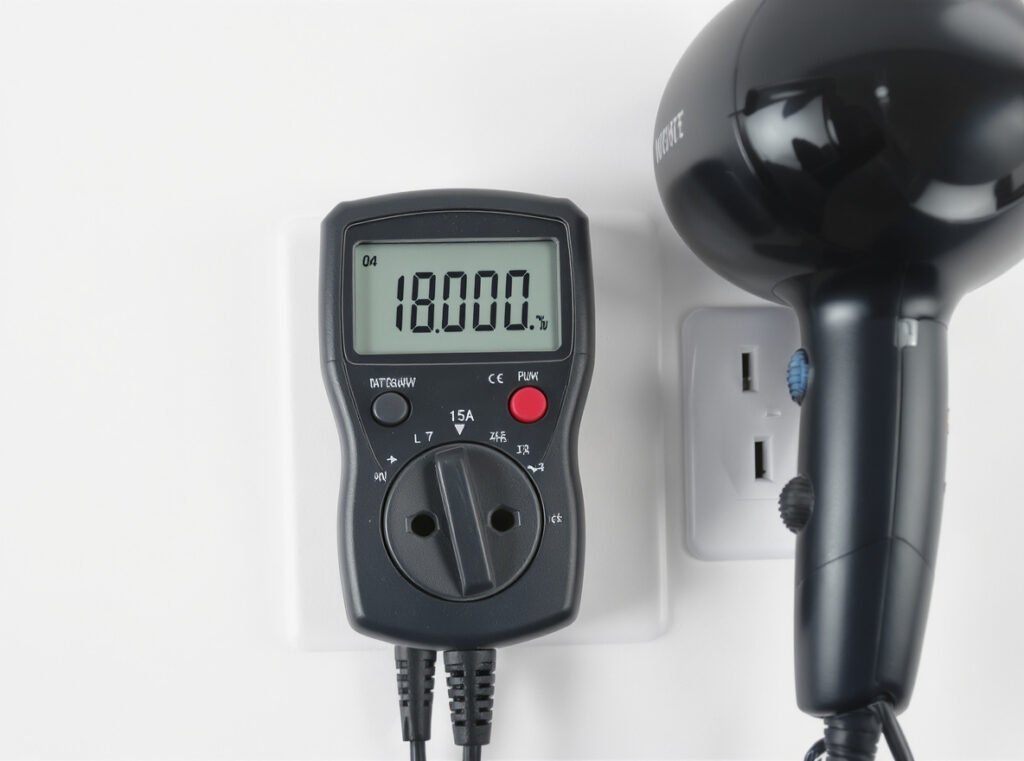
The electrical demands vary significantly across different hair dryer categories:
| Hair Dryer Type | Wattage Range | Amp Draw | Annual Energy Use* |
|---|---|---|---|
| Basic Models | 800-1,200W | 6.7-10A | 73-109 kWh |
| Standard Home Models | 1,500-1,800W | 12.5-15A | 109-131 kWh |
| Professional/Salon | 1,800-2,400W | 15-20A | 131-175 kWh |
*Based on 10 minutes daily use
Even on cool air settings, hair dryers still consume approximately 70 watts—more than many LED light bulbs use at full brightness. The substantial power draw during startup creates what electricians call “inrush current,” an initial electrical surge that can exceed the steady operating current by 300-500%.
Professional-grade hair dryers like the Conason P1C incorporate advanced brushless motors that deliver powerful airflow while maintaining electrical efficiency. These high-speed models often complete drying tasks 50% faster than traditional units, reducing overall electrical load duration despite their higher wattage ratings.
The combination of high power demand and sudden startup surge explains why hair dryers create more electrical disturbance than other household appliances of similar wattage.
What Causes Lights to Dim When Using High-Power Appliances?
The dimming phenomenon results from fundamental electrical principles governing how power flows through your home’s wiring infrastructure.
When hair dryers draw maximum current (15-20 amps), they create voltage drops across electrical wiring due to resistance. Since lights and outlets often share circuits, this voltage reduction forces lights to operate at lower power levels, causing visible dimming until the appliance reaches steady operation.
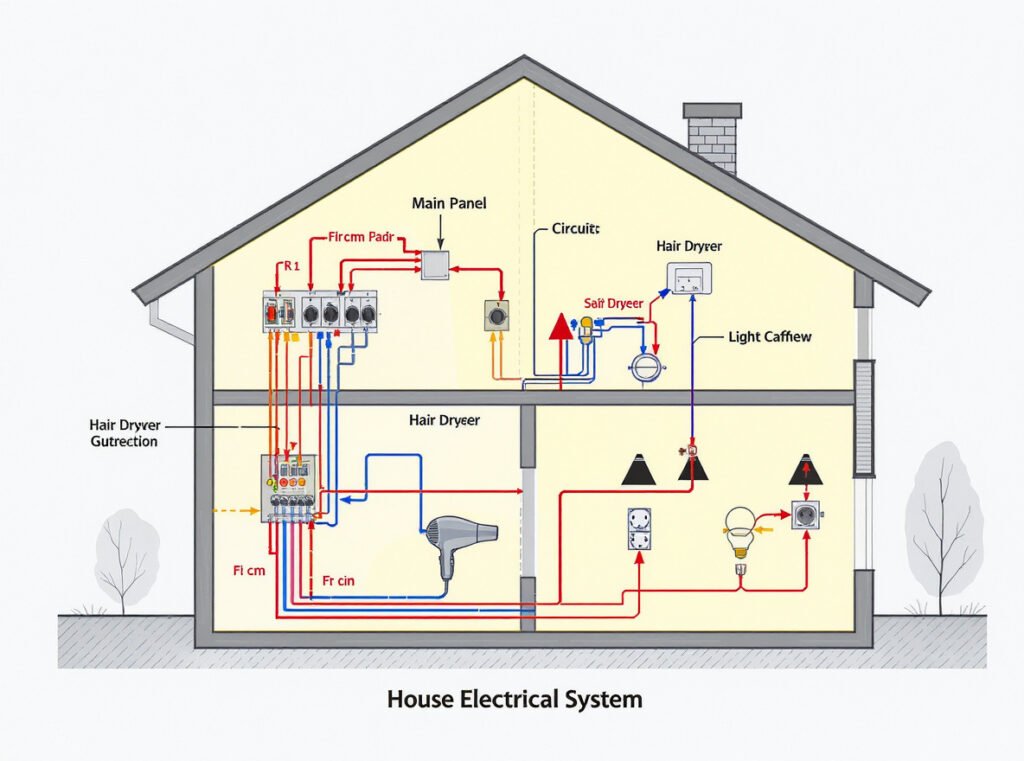
Primary Causes of Electrical Dimming:
Circuit Overload and Shared Pathways
Most bathroom circuits handle multiple outlets, lighting, and exhaust fans simultaneously. When your hair dryer activates, it monopolizes available circuit capacity, leaving insufficient electrical power for optimal lighting performance.
Inrush Current Effects
High-power appliances create massive electrical surges during startup—often 3-5 times their normal operating current. This sudden demand temporarily overwhelms circuit capacity, causing immediate voltage drops that affect all connected devices.
Inadequate Wiring Infrastructure
Older homes frequently have wiring systems designed for lower electrical loads. Homes built before 1980 often feature:
• 14-gauge wiring instead of modern 12-gauge standards
• Shared neutral connections between multiple circuits
• Aluminum wiring with higher resistance properties
• Insufficient circuit separation between lighting and outlets
Electrical Resistance and Distance
Wire resistance increases with distance from your electrical panel. Bathrooms located far from the main panel experience greater voltage drops due to longer wire runs, especially when combined with high-current appliances.
The electrical resistance converts some power into heat rather than delivering it to your devices, explaining why voltage drops become more pronounced with distance and heavy loads.
Is It Dangerous When Lights Dim During Hair Dryer Use?
Safety concerns naturally arise when electrical systems behave unexpectedly, but understanding the difference between normal operation and dangerous conditions helps you respond appropriately.
Occasional slight dimming (lasting 1-2 seconds) during appliance startup is generally normal electrical behavior. However, persistent dimming, severe voltage drops affecting multiple rooms, or dimming accompanied by burning smells, sparks, or buzzing sounds requires immediate professional attention.
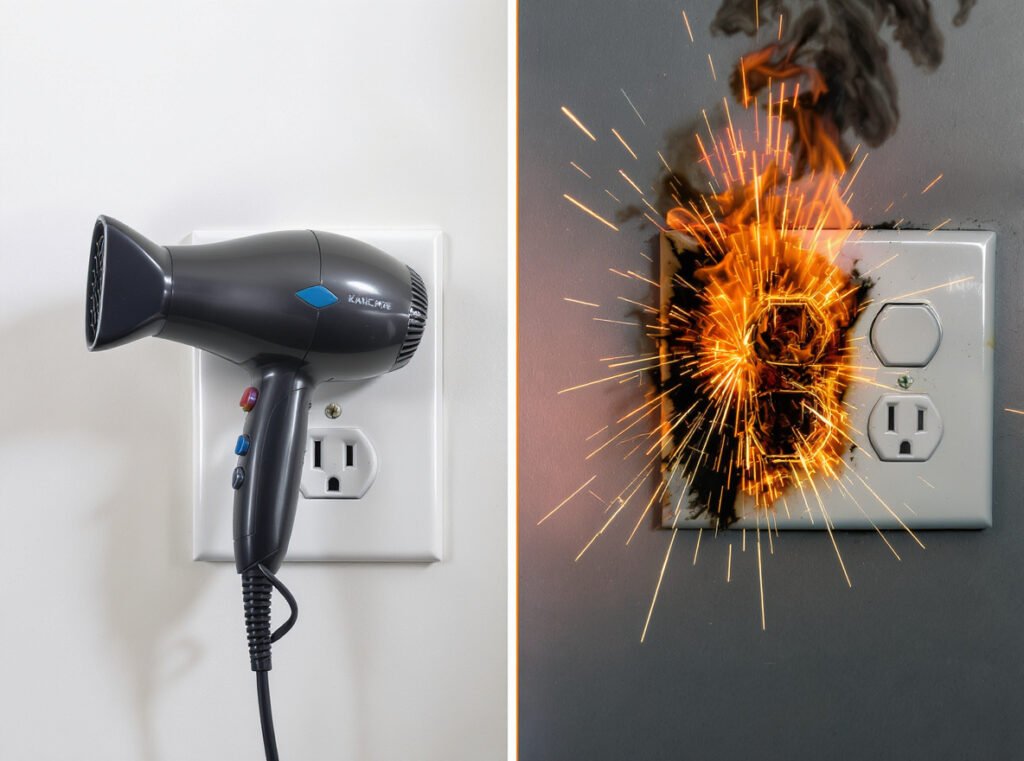
Normal vs. Concerning Electrical Behavior:
Typically Safe Dimming:
- Brief dimming limited to the same room or circuit
- Dimming stops when appliance reaches steady operation
- No accompanying sounds, smells, or visual effects
- Consistent pattern with high-power appliance use
Dangerous Warning Signs Requiring Immediate Action:
- Burning smells during electrical events
- Sparks when operating switches or outlets
- Buzzing sounds from electrical components
- Hot outlets or switch plates
- Frequent circuit breaker trips
- Severe dimming affecting multiple rooms simultaneously
Potential Safety Hazards:
Excessive voltage drops can lead to serious problems including overheating of electrical components, increased fire risk from loose connections, premature failure of sensitive electronics, and overall electrical system instability.
Modern safety features help mitigate risks. Professional hair dryers like those from Conason incorporate Ground Fault Circuit Interrupter (GFCI) protection, automatic shut-off mechanisms, and thermal protection systems that prevent dangerous operating conditions even during electrical stress.
The key distinction lies in severity and duration. Brief, localized dimming represents normal electrical physics, while persistent or widespread effects often indicate inadequate electrical infrastructure requiring professional evaluation.
How Can I Prevent Lights from Dimming?
Multiple proven solutions can eliminate or significantly reduce light dimming, ranging from simple adjustments to comprehensive electrical upgrades.
The most effective prevention involves installing dedicated 20-amp circuits for high-wattage appliances, ensuring they operate independently without competing with lighting circuits. This professional solution eliminates voltage competition and provides stable power for both appliances and lighting.
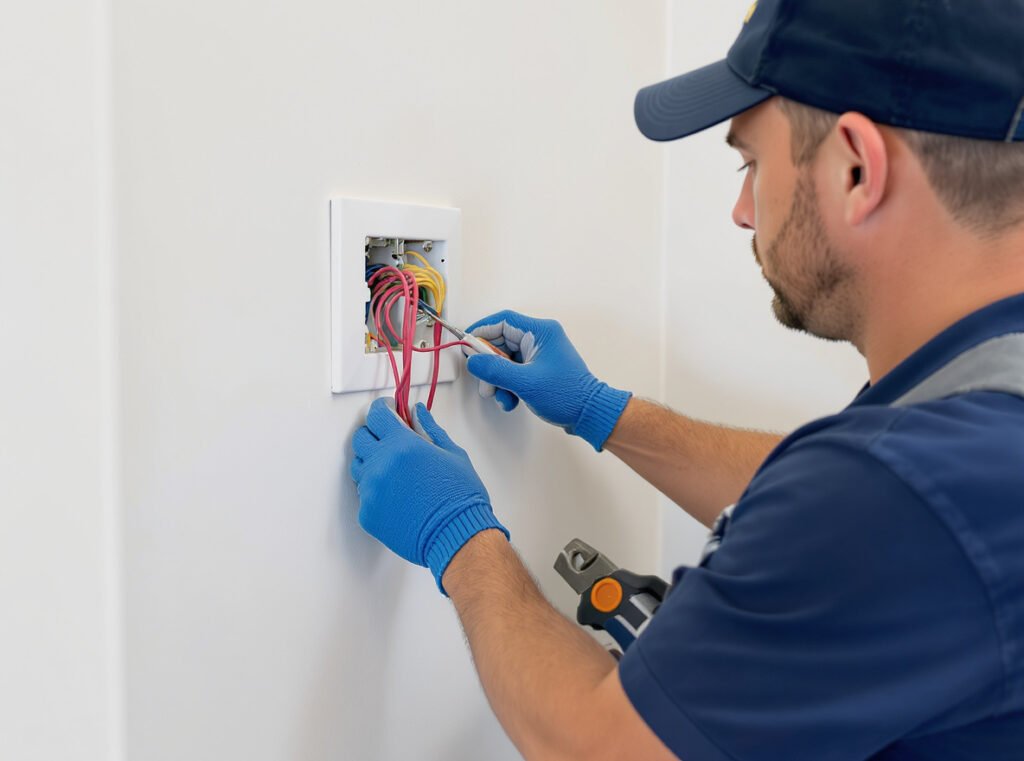
Immediate Solutions You Can Implement:
Switch to LED Lighting
LED bulbs consume only 5.3 watts compared to traditional incandescent bulbs using 60-100 watts. This dramatic reduction in lighting circuit load makes dimming far less noticeable when appliances activate.
Distribute Electrical Loads
- Use hair dryers in outlets on different circuits from main lighting
- Avoid running multiple high-power appliances simultaneously
- Turn off unnecessary devices while using hair dryers
- Rotate appliance usage to different bathroom outlets
Upgrade to Variable-Speed Appliances
Hair dryers with electronically commutated motors (ECMs) start more gradually, reducing inrush current that causes dramatic dimming effects.
Professional Electrical Solutions:
| Solution Type | Cost Range | Effectiveness | Installation Time |
|---|---|---|---|
| LED bulb conversion | $50-200 | Medium | 1-2 hours |
| Load management | Free | Low-Medium | Immediate |
| Dedicated circuit | $250-900 | High | 2-6 hours |
| Panel upgrade | $500-2,000 | Very High | 1-2 days |
Dedicated Circuit Installation Benefits:
- Eliminates voltage competition between appliances and lighting
- Provides stable 20-amp capacity for high-power devices
- Improves overall electrical system reliability
- Increases home value and electrical capacity
Professional installation ensures proper wire sizing, circuit protection, and code compliance while addressing underlying electrical infrastructure limitations.
What Type of Hair Dryer Minimizes Electrical Issues?
Selecting technologically advanced hair dryers can significantly reduce electrical strain while delivering superior performance compared to traditional models.
Modern hair dryers with ionic technology, ceramic heating elements, and brushless motors offer superior efficiency and reduced electrical stress. These professional-grade units often complete drying 30-50% faster while consuming comparable power, minimizing total electrical load duration.
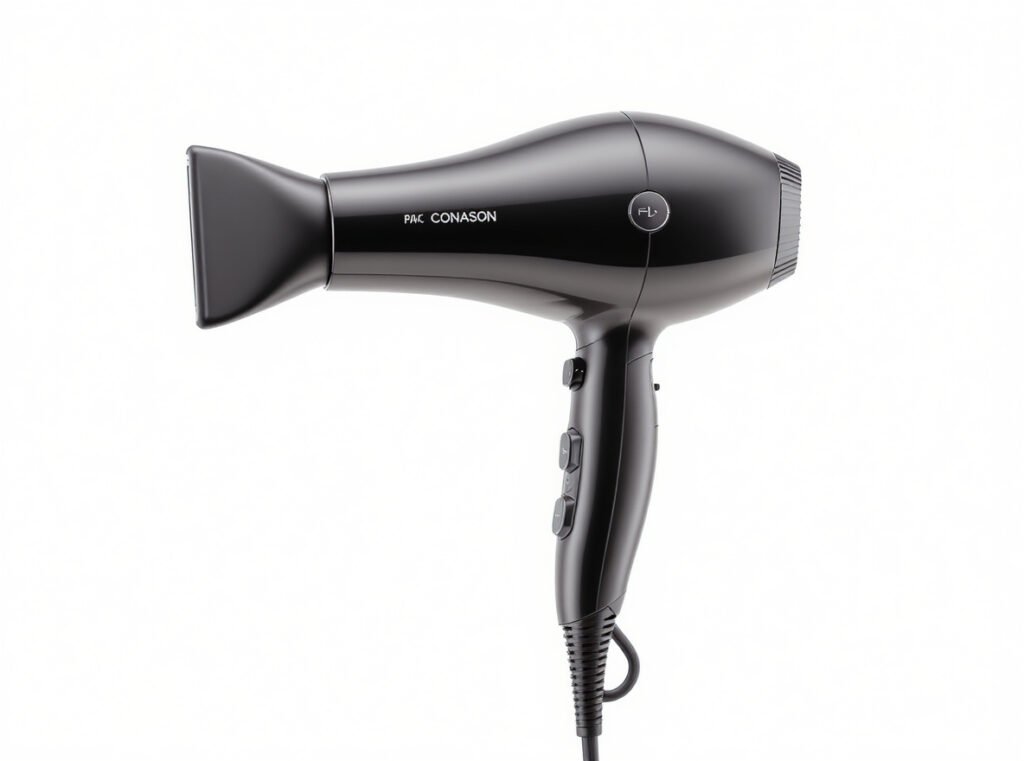
Advanced Technologies That Reduce Electrical Impact:
Ionic and Ceramic Technology
Ionic hair dryers use negative ion technology to break down water molecules more efficiently, reducing drying time and overall energy consumption. Ceramic heating elements provide more even heat distribution, allowing effective drying at lower power settings.
Brushless Motor Design
Professional hair dryers increasingly feature brushless digital motors that operate more efficiently than traditional AC motors. These advanced motors provide:
- Consistent power output with less electrical noise
- Reduced startup current surge
- Longer operational life with stable performance
- Better speed and temperature control
Variable Power Management
Modern hair dryers offer multiple heat and speed combinations, allowing users to reduce electrical draw when maximum power isn’t necessary. Lower settings can reduce current consumption by 40-60% while maintaining effective styling capability.
Recommended Features for Electrical Compatibility:
The Conason P1C high-speed hair dryer exemplifies these technological advances:
- Advanced brushless motor for consistent, efficient operation
- Negative ionic technology for faster moisture elimination
- Multiple heat/speed combinations for customized power management
- Digital temperature display for precise control
- Professional durability suitable for salon and home use
- GFCI safety protection for electrical fault prevention
For wholesale buyers and retailers, these advanced features address both performance expectations and electrical compatibility concerns that affect customer satisfaction.
Power Efficiency Comparison:
• Traditional hair dryers: 1,800W for 10-15 minute drying
• Advanced ionic models: 1,500-1,800W for 6-10 minute drying
• Professional brushless units: 1,600-2,000W for 5-8 minute drying
The reduced operation time often results in lower total energy consumption despite comparable or higher wattage ratings.
When Should I Call a Professional Electrician?
Recognizing when dimming lights indicate serious electrical problems requiring professional intervention protects your home’s safety and prevents potential fire hazards.
Contact a licensed electrician immediately if lights dim severely across multiple rooms, if dimming occurs with burning smells or sparks, or if circuit breakers trip frequently during appliance use. These symptoms often indicate dangerous electrical conditions including overloaded circuits, faulty wiring, or inadequate electrical panel capacity.
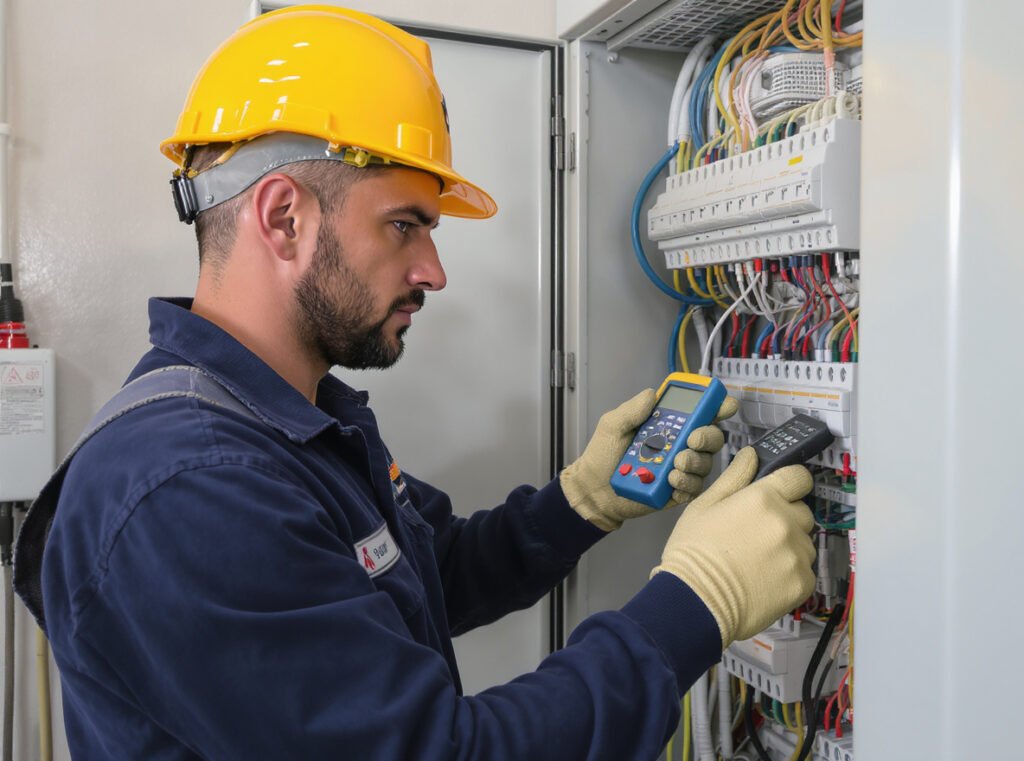
Emergency Professional Consultation Required:
Immediate Danger Signs:
- Burning odors during any electrical event
- Visible sparks from outlets, switches, or appliances
- Hot electrical components (outlets, switches, panel)
- Frequent circuit breaker trips with appliance use
- Severe dimming affecting entire house sections
Routine Professional Assessment Needed:
- Persistent dimming that doesn’t resolve quickly
- Multiple rooms experiencing simultaneous electrical effects
- Homes over 20 years old without recent electrical updates
- Planning to add new high-power appliances
- Inconsistent electrical performance throughout the home
What Professional Electricians Evaluate:
Qualified electricians perform comprehensive assessments including circuit load calculations, wire gauge adequacy for modern demands, electrical panel condition and available capacity, GFCI functionality testing, and overall system safety compliance.
Professional Service Costs:
| Service Type | Typical Cost | Value Provided |
|---|---|---|
| Electrical inspection | $100-400 | Safety assessment |
| Dedicated circuit | $250-900 | Problem resolution |
| Panel upgrade | $500-2,000 | System modernization |
| Emergency service | $150-300/hour | Immediate safety |
Safety Warning: Never attempt DIY electrical work beyond basic tasks like changing bulbs. Improper electrical work creates serious fire and electrocution hazards. Professional electricians have proper training, tools, and knowledge of local electrical codes essential for safe installations.
Many electrical contractors offer free safety consultations for dimming light concerns, providing professional assessment of whether your situation requires immediate attention or represents normal electrical behavior.
Summary
Light dimming during hair dryer use results from high electrical current demands creating voltage drops on shared circuits. While brief dimming is typically normal, persistent or severe dimming across multiple rooms indicates dangerous electrical conditions requiring professional evaluation. Solutions include LED lighting upgrades, dedicated circuit installation, and choosing efficient hair dryers with advanced motor technology.
Ready to offer your customers hair dryers that deliver professional performance while minimizing electrical concerns? Explore our Conason P1C high-speed hair dryer featuring advanced brushless motor technology and ionic efficiency, or browse our complete professional hair dryer collection for wholesale opportunities. Contact us today for distributor pricing and technical specifications that help your customers achieve salon-quality results without electrical system stress.