Choosing the right hair dryer involves more than just drying power and price. Noise levels significantly impact your daily routine, affecting everything from early morning styling to family harmony. Understanding decibel ratings helps you make informed purchasing decisions for your business.
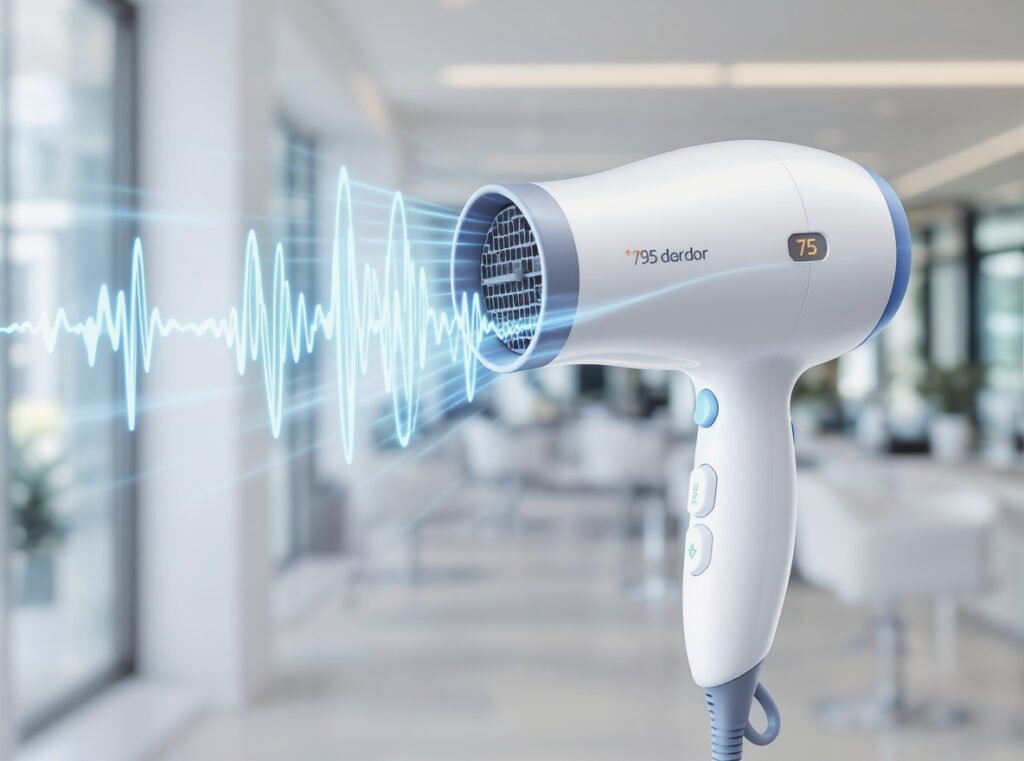
Modern hair dryers typically operate between 70-90 decibels (dB), with most standard models falling within the 80-90 dB range when measured at one meter distance. Traditional hair dryers generally produce 82-90 dB, while advanced high-performance models with brushless motor technology achieve significantly quieter operation at 59-78 dB.
Ready to discover which decibel levels work best for different environments and customer needs? Let’s explore everything you need to know about hair dryer noise levels.
How Are Hair Dryer Decibel Levels Measured According to Industry Standards?
Understanding measurement standards helps you compare products accurately and educate your customers about noise specifications using established protocols.
Hair dryer decibel levels are measured at a standard distance of one meter from the device during operation, following IEC 61855:2022 international standards for household hair dryers and styling appliances. This industry standard ensures consistent comparisons across different brands and models.
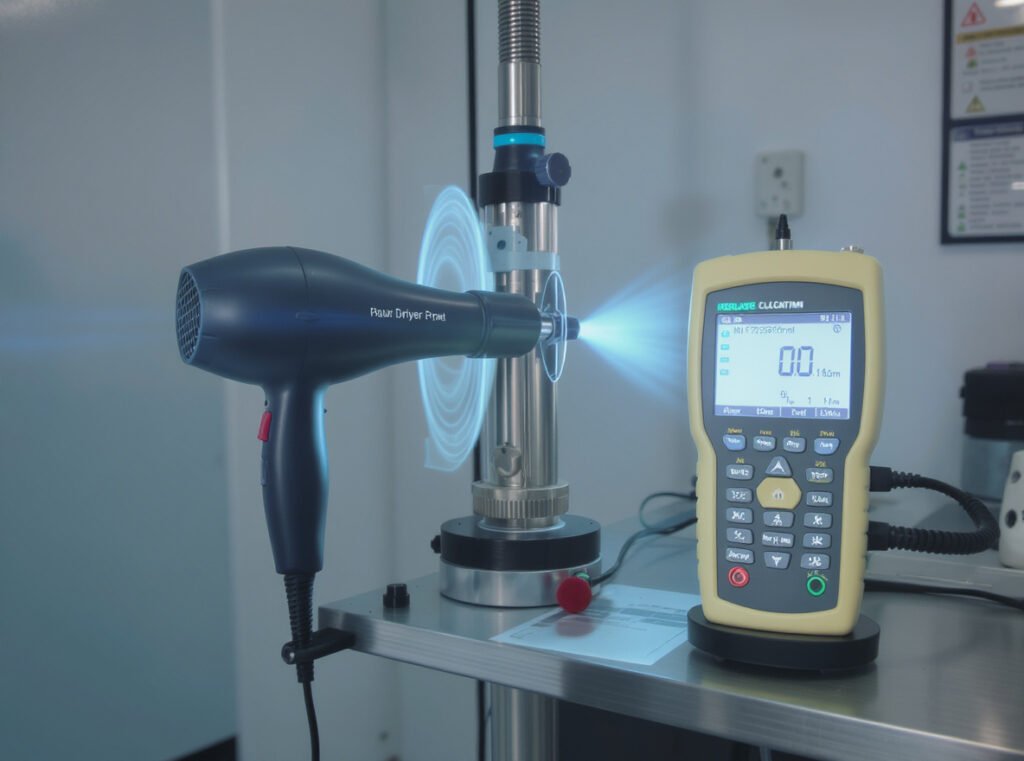
The measurement process follows strict professional protocols:
International Testing Standards
- IEC 61855:2022 specifically addresses airborne acoustical noise measurement for hair dryers
- ISO 3744, ISO 3745, and ISO 3743-1 cover sound power testing for small appliances
- ISO 9614 provides guidelines for in-situ sound intensity testing
Controlled Testing Conditions
Hair dryers are tested with controls adjusted to their highest setting in controlled acoustic environments. The device is positioned approximately 8 inches from professional decibel meters, with multiple readings averaged for accuracy.
Professional noise measurement eliminates external interference and provides reliable data for product positioning. These standardized measurements help retailers compare different models objectively and set appropriate customer expectations.
| Testing Parameter | Standard Requirement | Industry Purpose |
|---|---|---|
| Distance | 1 meter from device | Consistent comparison data |
| Settings | Maximum heat/speed | Worst-case scenario testing |
| Environment | Controlled acoustics | Eliminate interference |
| Equipment | Professional meters | Accurate measurement |
Understanding these standards helps you recommend products with confidence and educate customers about realistic performance expectations.
What Decibel Range Defines a Quiet Hair Dryer?
Defining “quiet” helps position products effectively and meet specific customer demands in noise-sensitive environments where comfort matters most.
Quiet hair dryers are generally defined as models operating below 75-80 dB, with the ideal range between 50-75 dB for comfortable use. Anything above 80 dB may be too loud for comfortable use, particularly in small spaces where sound can echo.
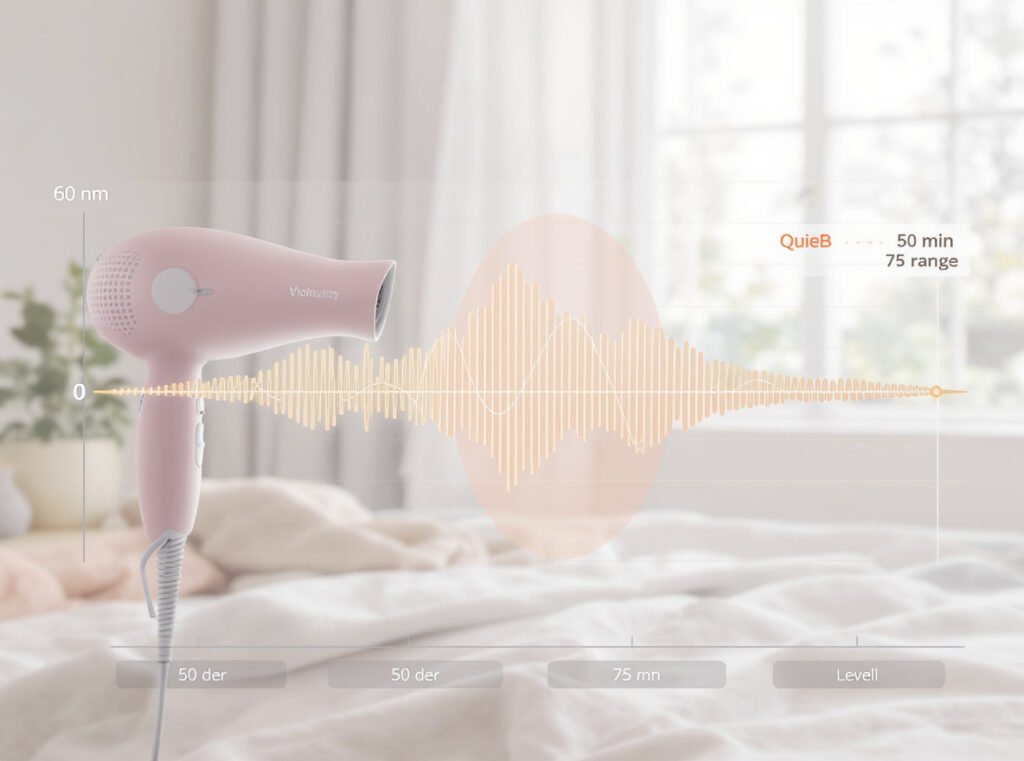
Professional Quiet Classification Standards
The quietest hair dryers currently available achieve levels as low as 59-65 dB. Premium models like the Laifen Swift operate at just 59 dB, while the Chignon Smart Leafless Hair Dryer achieves 65 dB, demonstrating that quiet operation doesn’t compromise performance.
Consider these professional quiet categories:
- Exceptionally Quiet (50-60 dB): Comparable to moderate rainfall, ideal for noise-sensitive customers
- Very Quiet (60-70 dB): Similar to normal conversation, perfect for shared living spaces
- Quiet (70-75 dB): Acceptable for most users, balanced performance with reduced noise
- Moderately Quiet (75-80 dB): Entry-level quiet options with good value positioning
These categories help customers choose based on their specific noise tolerance and environment requirements. For wholesale success, stock models across all segments to capture different market demands and price points.
Comparison Reference Points
- Normal conversation: ~60 dB
- Vacuum cleaner: ~70 dB
- City traffic: ~80 dB
- Traditional hair dryer: 82-90 dB
These comparisons help customers understand decibel levels in familiar terms, making product selection easier and reducing returns.
How Do High-Speed Hair Dryers Compare in Noise Performance?
High-speed motors create unique noise challenges, but modern engineering solutions deliver impressive results for professional and consumer markets seeking powerful yet quiet operation.
Modern high-speed hair dryers demonstrate that powerful doesn’t necessarily mean loud, with advanced brushless motors operating at 110,000 RPM while maintaining noise levels around 59-76 dB. This represents significant progress from traditional brushed motors that generate more friction and noise.
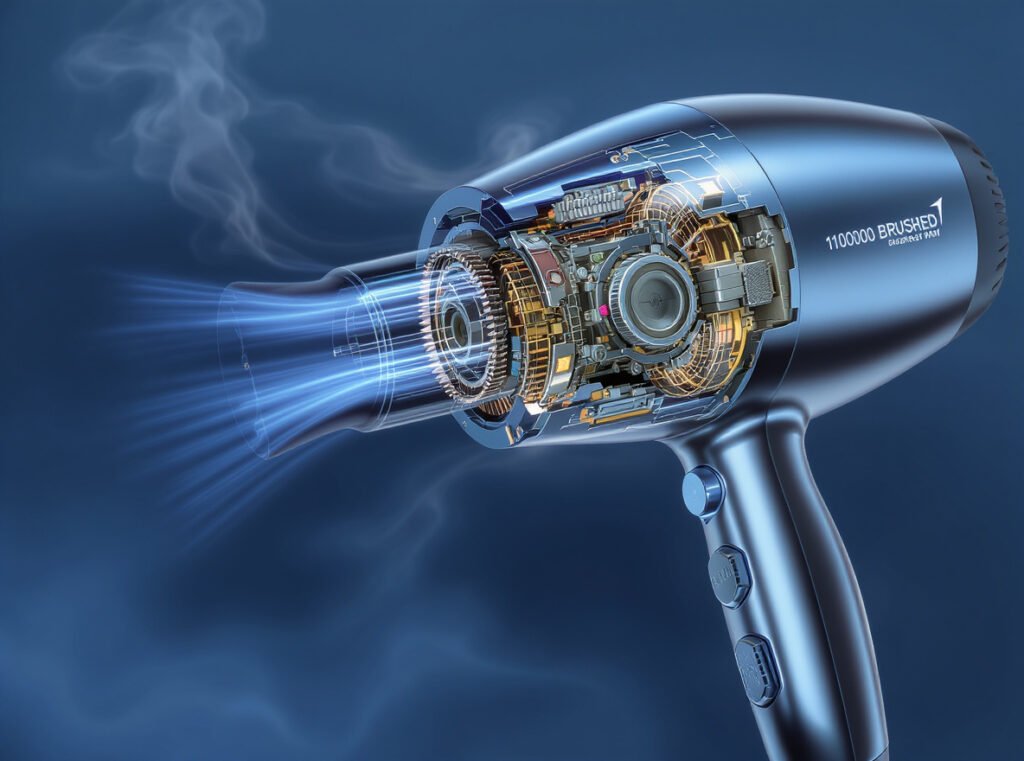
Advanced brushless motor technology eliminates mechanical friction while providing consistent power output. These motors operate more efficiently and quietly compared to traditional options, making them ideal for professional environments requiring both performance and comfort.
Technology Comparison Analysis
High-speed brushless motors deliver superior airflow while maintaining lower noise levels through several innovations:
Optimized Airflow Engineering
- Specialized fan blade design reduces turbulence
- Advanced air channel configuration minimizes whistling sounds
- Smooth airflow patterns eliminate common noise sources
Advanced Motor Design
- Brushless technology eliminates friction-based noise
- Reduced vibration through precision engineering
- Higher efficiency with lower operational stress
| Motor Technology | Typical Noise Level | Key Performance Benefits |
|---|---|---|
| Traditional Brushed | 82-90 dB | Lower cost, higher maintenance |
| High-Speed Brushless | 74-78 dB | Reduced friction, longer lifespan |
| Ultra-Silent Models | 59-74 dB | Specialized dampening, premium experience |
These innovations make high-speed dryers viable for noise-conscious customers who previously avoided powerful models, expanding your potential market significantly.
What Health Effects Are Associated with Hair Dryer Noise Levels?
Understanding health implications helps you educate customers and position quiet models as wellness investments rather than luxury purchases, particularly for professional users.
Prolonged exposure to noise levels above 85 dB can cause permanent hearing damage, making hair dryers that operate at 80-90 dB a potential health concern. This threshold makes noise level a genuine health consideration for frequent users and professional stylists.
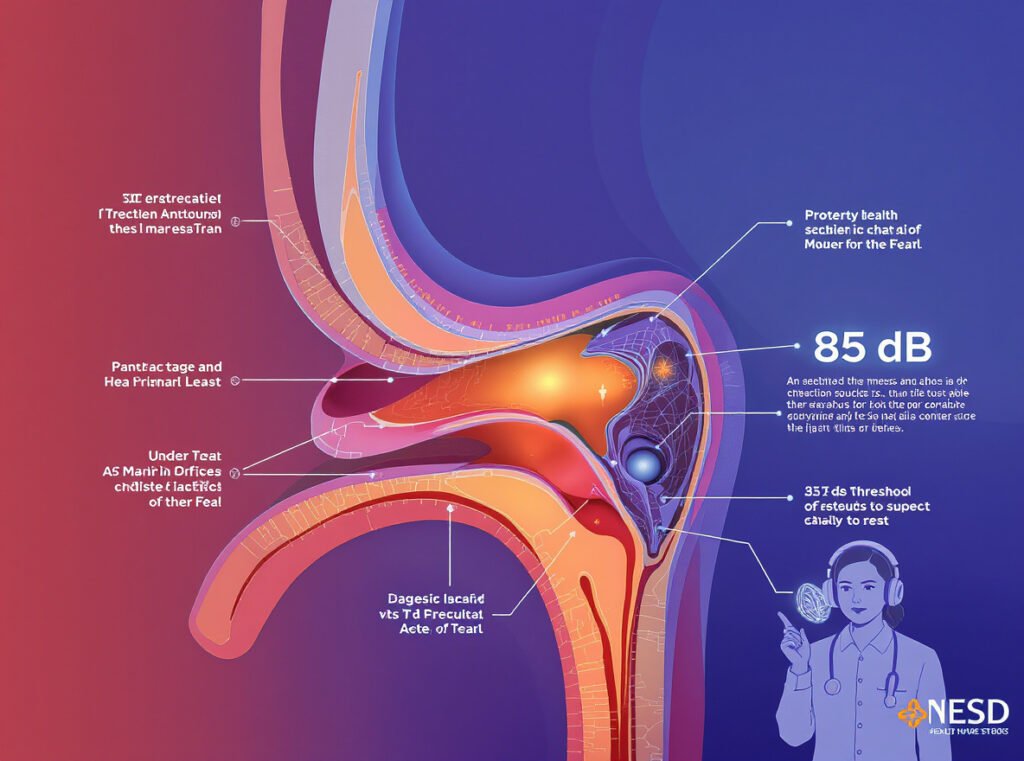
Professional Risk Assessment
Hair salon workers face particular risks with up to 60% experiencing some form of hearing loss due to daily exposure to multiple hair dryers running simultaneously. Stylists working 8+ hours daily with dryers at 85+ dB levels are at increased risk of noise-induced hearing loss.
Health Impact Categories
Extended exposure can result in several concerning effects:
- Noise-induced hearing loss: Permanent damage to auditory systems
- Tinnitus: Persistent ringing or buzzing in ears
- Auditory fatigue: Reduced concentration and communication difficulties
- Stress responses: Increased tension and discomfort in professional settings
OSHA Workplace Considerations
OSHA requires implementation of Hearing Conservation Programs when noise exposure equals or exceeds 85 dBA for 8-hour periods, with a Permissible Exposure Limit of 90 dBA for full workdays.
Consider these health-focused selling points for professional customers:
- Models under 80 dB reduce daily cumulative exposure
- Quiet operation improves workplace communication
- Lower stress levels enhance professional performance
- Client comfort increases satisfaction and retention
These benefits justify premium pricing for quiet models while addressing legitimate occupational health concerns.
Which Professional Settings Require Specific Decibel Considerations?
Different commercial environments have unique noise requirements that affect product recommendations and bulk purchasing decisions for wholesale customers.
Professional salons should consider multiple concurrent dryer usage, as combined noise from several units can exceed safe levels and impact both staff and client comfort. Extended daily exposure for stylists requires careful attention to cumulative noise effects.
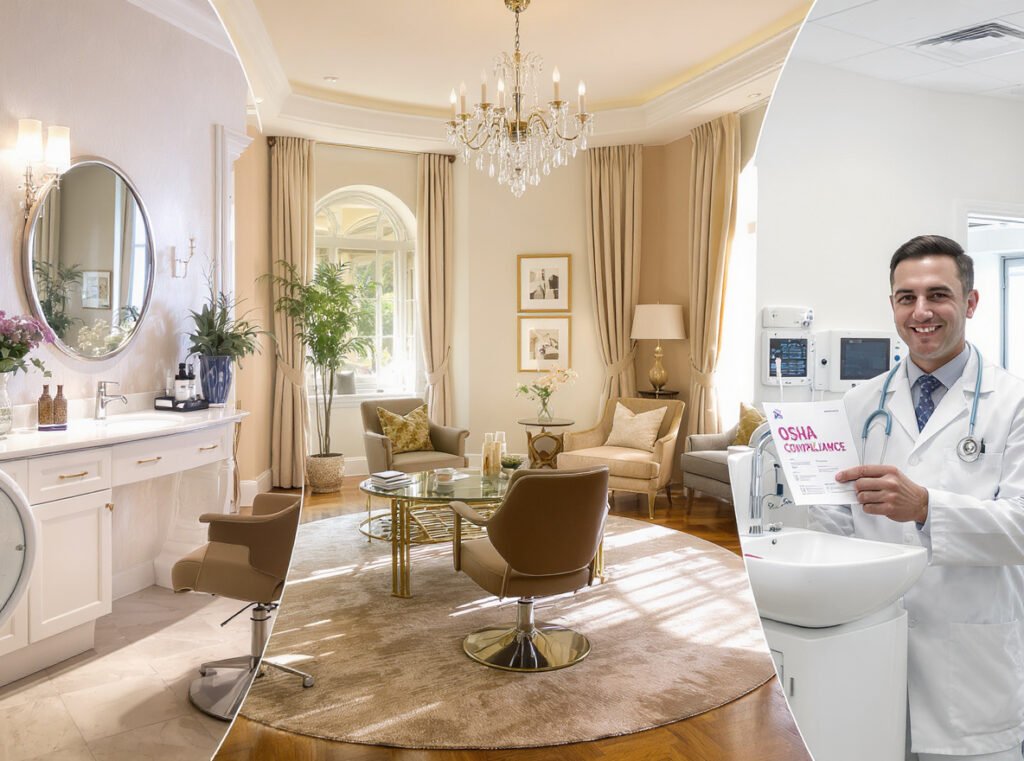
Professional Environment Analysis
High-End Salons and Spas
Luxury establishments prioritize quiet equipment to enhance customer experience and reduce staff fatigue. Models operating at 65-75 dB work perfectly while maintaining professional performance standards and allowing comfortable conversation during services.
Hotel and Hospitality Applications
Guest rooms require careful noise consideration, especially in luxury properties where quiet amenities differentiate the experience. Models under 75 dB prevent guest complaints while providing adequate performance for in-room styling needs.
Healthcare and Senior Care Facilities
Nursing homes and assisted living facilities benefit from ultra-quiet models that don’t disturb other residents or create anxiety for noise-sensitive individuals requiring specialized care considerations.
| Facility Type | Recommended dB Range | Critical Success Factors |
|---|---|---|
| Luxury Salons | 65-75 dB | Client conversation, premium experience |
| Standard Salons | 70-80 dB | Staff comfort, multiple unit operation |
| Hotels | 60-75 dB | Guest satisfaction, sound isolation |
| Healthcare | 55-70 dB | Patient comfort, anxiety reduction |
| Corporate Settings | 65-78 dB | Professional appearance, minimal disruption |
Understanding these specific requirements helps you recommend appropriate models for different commercial customers and justify product selections based on environmental needs.
How Do Noise Levels Impact Customer Satisfaction and Product Returns?
Noise complaints represent a significant source of product returns and negative reviews, making decibel awareness crucial for business success and customer retention.
Customers often underestimate noise sensitivity until experiencing daily use. Models exceeding personal comfort thresholds generate complaints about excessive loudness, even when specifications meet advertised claims accurately.
Return Pattern Analysis
Common return reasons specifically related to noise include louder than expected operation, unpleasant whistling or high-pitched sounds, inability to hold conversations during use, and discomfort in small spaces where sound echoes and amplifies.
Customer Education Strategies
Providing clear decibel comparisons helps set appropriate expectations and reduces return rates:
Satisfaction Enhancement Techniques
- Display decibel ratings prominently in product descriptions
- Offer detailed noise comparison charts with familiar reference points
- Provide comprehensive product videos demonstrating actual operation sounds
- Recommend specific models based on intended use environment and customer lifestyle
Whistling and High-Pitched Sounds
These are particularly problematic and frequently cited in product returns. Quality models with proper engineering eliminate these unpleasant sound characteristics through advanced airflow design and precision manufacturing.
Early morning or shared living space usage makes quiet operation essential for home users, while professional settings require models that don’t disrupt the peaceful, relaxing atmosphere clients expect during salon services.
Professional Recommendations
For wholesale success, prioritize suppliers that provide detailed noise specifications, comprehensive testing documentation, and quality control processes that eliminate common sound quality issues affecting customer satisfaction.
What Are the Best Quiet Hair Dryer Options for Wholesale Distribution?
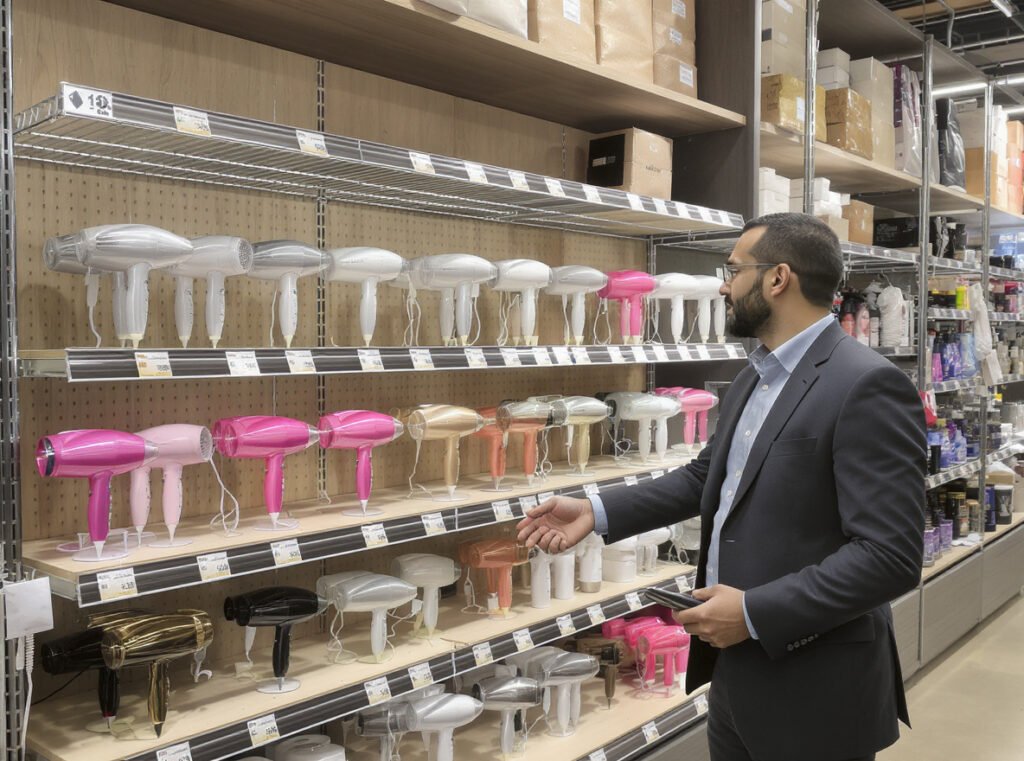
Identifying top quiet models helps you stock inventory that meets growing demand for low-noise styling tools across different market segments and price points.
Current market leaders include the Laifen Swift at 59 dB, Chignon Smart Leafless at 65 dB, MDLondon BLOW at 76 dB, and Dyson Supersonic at 77 dB, all delivering professional performance with thoughtful noise engineering. These models demonstrate the current state of quiet hair dryer technology.
Wholesale Market Segments
Ultra-Premium Quiet Segment (50-65 dB)
Limited availability with premium pricing, targeting luxury markets and extremely noise-sensitive customers. Models like the Laifen Swift with 110,000 RPM brushless motor technology represent cutting-edge quiet performance.
Professional Quiet Segment (65-75 dB)
The optimal range for most professional applications, offering significant noise reduction with reasonable pricing. The Conason P1C fits perfectly in this category, providing salon-quality performance with considerate noise levels for wholesale distribution.
Value Quiet Segment (75-80 dB)
Entry-level quiet options offering meaningful noise reduction compared to traditional models, making quiet technology accessible to budget-conscious customers while maintaining acceptable performance standards.
Wholesale Supplier Evaluation Criteria
When selecting suppliers for quiet hair dryer inventory:
- Noise testing certifications: Ensure products meet international standards
- Motor technology: Prioritize brushless motors for quieter operation
- Quality control processes: Comprehensive testing including noise measurement
- Sound dampening materials: Advanced acoustic engineering reduces operational noise
| Supplier Focus | Specialization | Target Applications |
|---|---|---|
| BCRAA Manufacturing | Silent models, DC motors | Professional salons |
| Huux Manufacturing | Custom designs, quality control | Wholesale distribution |
| Mesky Guangzhou | High-speed, ionic technology | International markets |
| KangRoad Electrical | Quiet yet powerful designs | Balanced performance |
For wholesale success, consider the innovative Conason P1C high-speed hair dryer that perfectly balances professional performance with thoughtful noise engineering. Our advanced brushless motor technology delivers powerful airflow while maintaining comfortable noise levels for both professional and home use.
Ready to explore our complete collection of quiet, high-performance hair dryers? Visit our products collection page to discover wholesale opportunities, or contact us directly to discuss bulk pricing for the Conason P1C high-speed hair dryer that combines cutting-edge technology with customer-friendly noise levels.
Summary
Modern hair dryers operate between 70-90 decibels, with quiet models achieving 50-75 dB through advanced brushless motor technology and acoustic engineering. Professional settings require careful consideration of cumulative noise exposure, while customer satisfaction depends heavily on matching decibel levels to specific use environments and personal comfort preferences.