Skip to content
When sourcing hair dryers for your wholesale business, understanding internal materials is crucial for ensuring product quality, safety compliance, and customer satisfaction. Heat-resistant materials directly impact durability, performance consistency, and warranty claims—factors that determine your success in the competitive hair care market.
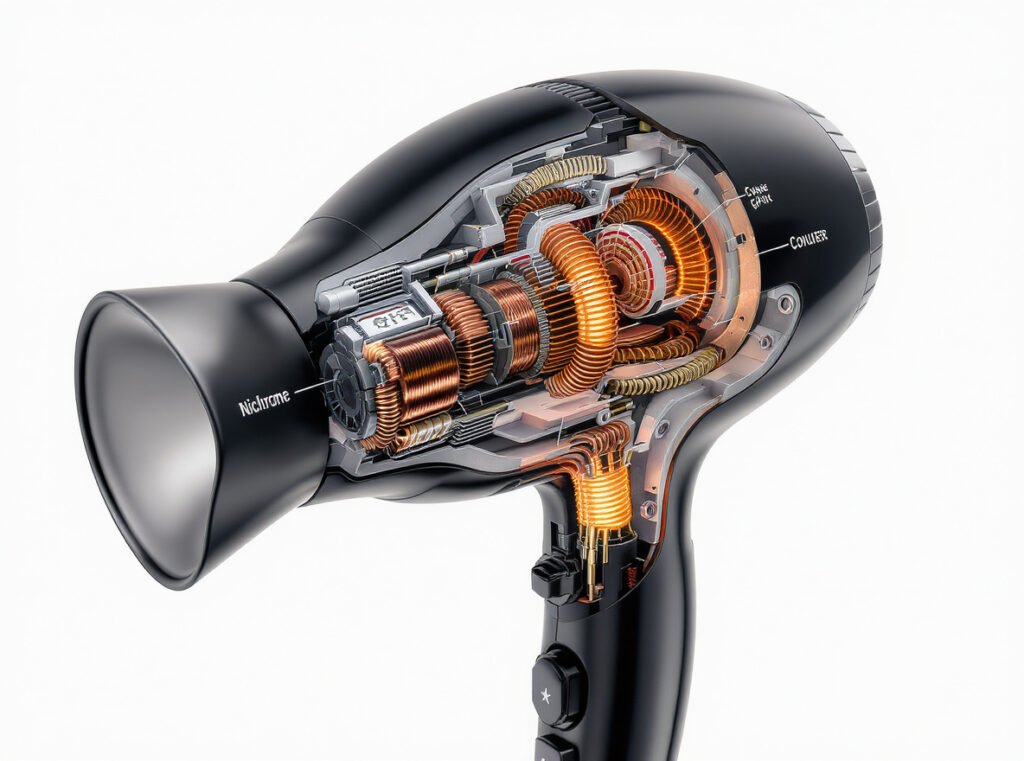
Hair dryers use specialized heat-resistant materials including nichrome wire heating elements, muscovite mica insulation, ceramic or tourmaline coatings, and high-grade thermoplastics like ABS and polycarbonate. These materials withstand operating temperatures up to 150°C (300°F) while maintaining structural integrity and meeting international safety standards.
Let’s explore the specific materials that make professional hair dryers reliable investments for your retail customers.
Why Do Hair Dryer Materials Need Extreme Heat Resistance?
Understanding material requirements helps you evaluate supplier quality and avoid costly product failures. Modern hair dryers face unprecedented thermal challenges that standard materials simply cannot handle.
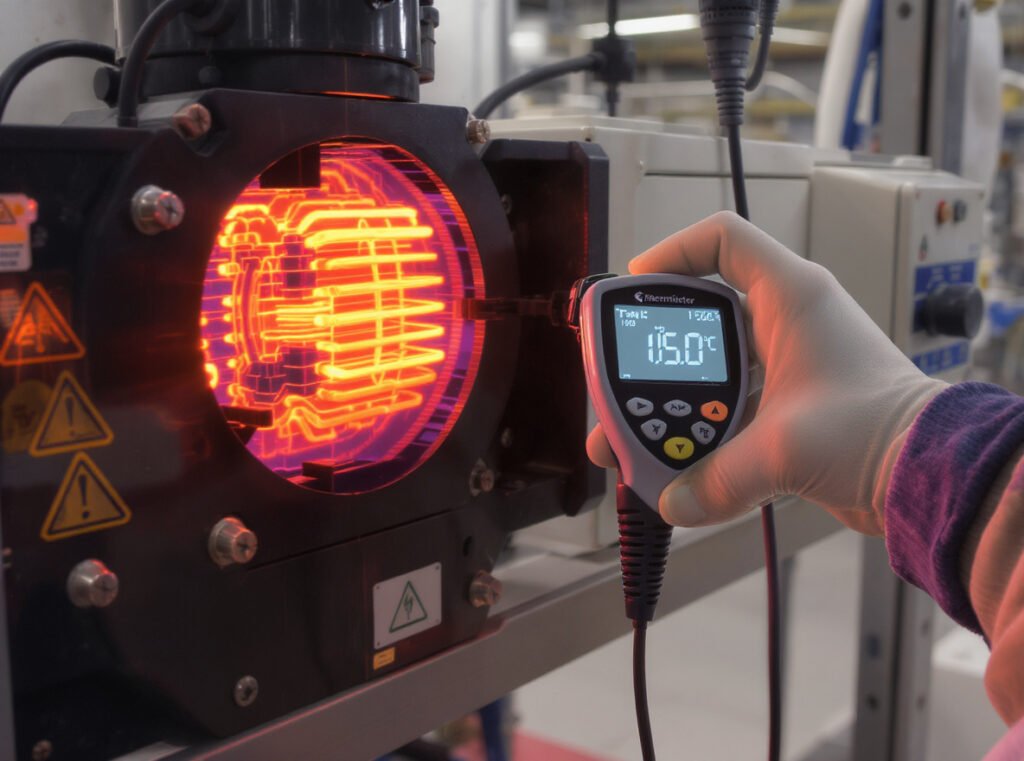
Hair dryers generate internal temperatures between 150-250°C (300-480°F) at heating elements, with some coils reaching 500-600°C, requiring materials that maintain structural integrity, prevent toxic off-gassing, and ensure user safety under extreme thermal stress.
Contemporary hair dryers use ceramic magnets and ceramic frames to achieve high power density, while sophisticated sensors detect overheating and automatically shut down units when necessary. The higher velocity airflow in modern designs allows for high power density heating elements while reducing insulation requirements between the heating element and casing.
Critical Material Performance Requirements:
- Thermal stability: Withstand continuous high-temperature operation without degradation
- Electrical insulation: Prevent dangerous short circuits and electrical hazards
- Mechanical durability: Resist vibration, thermal expansion, and repeated use cycles
- Chemical resistance: Avoid releasing harmful substances when heated to operating temperatures
Modern hair dryers must also comply with UL, CE, and international safety certifications, making material selection a critical factor in market access and liability protection.
What Makes Nichrome the Standard Heating Element Material?
The heating element represents the most thermally stressed component, directly affecting product performance, energy efficiency, and customer satisfaction over the product lifecycle.
Nichrome wire (nickel-chromium alloy with iron content) serves as the industry standard heating element, chosen for its exceptional electrical resistance, heat tolerance up to 1000°C, and corrosion resistance in humid bathroom environments.
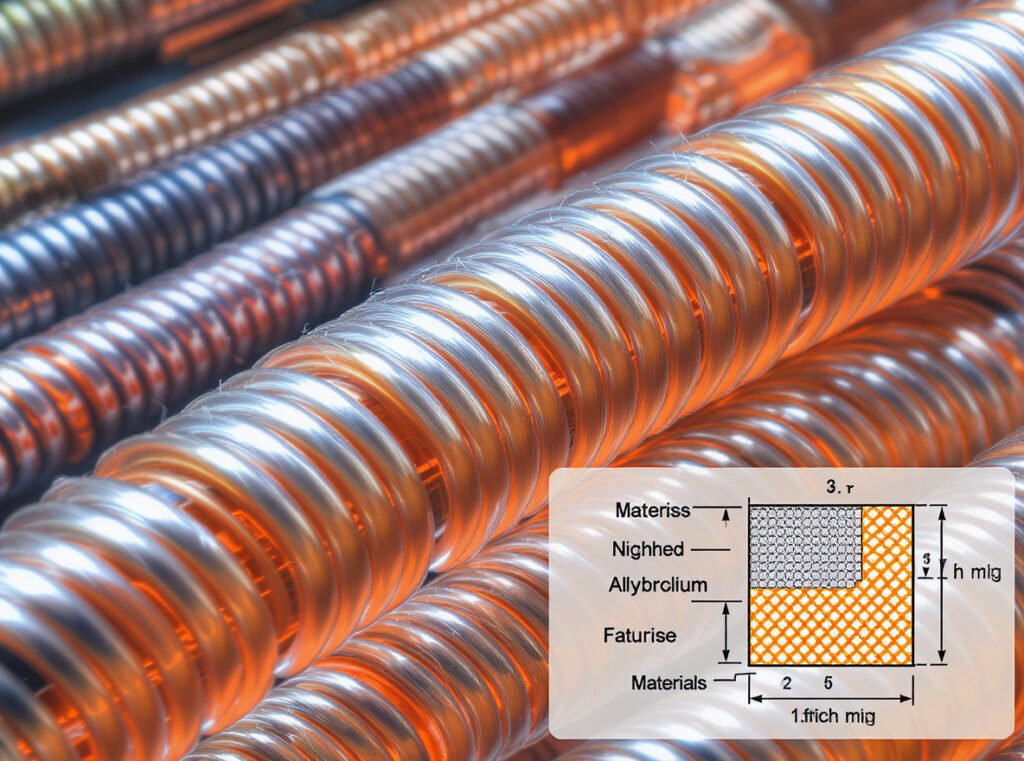
Nichrome’s carefully engineered composition provides several critical advantages for wholesale applications:
Superior Technical Properties:
- High electrical resistance: Enables efficient heat generation when current passes through
- Exceptional heat resistance: Maintains properties even at 500-600°C operating temperatures
- Corrosion resistance: Performs reliably in humid conditions unlike copper or steel alternatives
- Uniform heating characteristics: Provides consistent temperature distribution across the coil
- Stable resistance values: Maintains desired heat output throughout thermal cycling
- Low thermal expansion coefficient: Prevents warping or distortion during heating cycles
Alternative Heating Technologies:
Some manufacturers utilize OCR25AL5 (chromium-aluminum alloy) alongside traditional nichrome for enhanced performance characteristics. Premium models may incorporate ceramic heating elements that provide different heat distribution patterns suitable for specific hair types.
| Heating Material | Operating Temperature | Key Advantage | Best Application |
|---|---|---|---|
| Nichrome Wire | Up to 1000°C | Proven reliability | Standard to premium models |
| OCR25AL5 Alloy | 800-900°C | Enhanced durability | Professional-grade units |
| Ceramic Elements | 400-500°C | Even heat distribution | Gentle drying applications |
Which Insulation Materials Provide Critical Safety Protection?
Insulation materials serve as the primary safety barrier between extreme heating elements and external components, making them essential for regulatory compliance and user protection.
Muscovite mica sheets provide superior insulation in professional hair dryers, offering exceptional heat tolerance up to 500-600°C continuous operation, superior dielectric strength handling 20-25 kV per millimeter, and complete non-combustible properties.
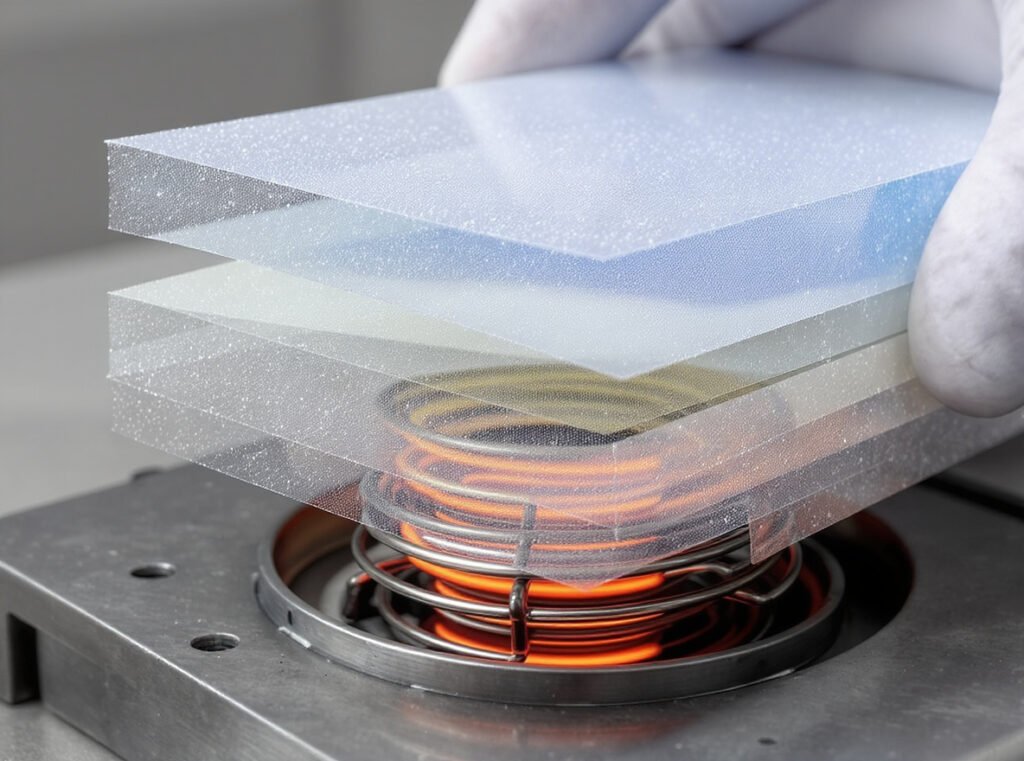
Muscovite mica sheets typically contain approximately 90% natural mica flakes bonded with high-temperature silicone resin, creating insulation boards that surround nichrome heating coils.
Critical Mica Performance Characteristics:
Thermal Properties:
- Ultra-high heat tolerance: Continuous operation at 500-600°C
- Emergency temperature resistance: Brief exposure capability up to 1000°C
- Low thermal conductivity: Minimizes energy loss and improves system efficiency
- Thermal shock resistance: Withstands rapid temperature changes without cracking
Electrical Properties:
- Superior dielectric strength: Handles voltages up to 20-25 kV per millimeter
- Electrical insulation stability: Maintains properties under thermal cycling
- Arc resistance: Prevents electrical breakdown under high-voltage conditions
Chemical Stability:
- Moisture resistance: Performs reliably in bathroom humidity
- Chemical inertness: Resists alkalis, acids, and hair care product exposure
- Non-combustible nature: Will not melt, char, or support combustion
Additional Insulation Solutions:
Hair dryers incorporate heat shields of specialized high-temperature fiberglass insulation materials rated for applications above 650°F (343°C), lining plastic barrels to prevent external surface overheating.
What Housing Materials Ensure Structural Integrity Under Heat?
Housing materials must resist heat transfer while maintaining aesthetic appeal, structural strength, and user safety throughout extended product lifecycles.
Engineering-grade thermoplastics including ABS (Acrylonitrile Butadiene Styrene), polycarbonate (PC), and PC/ABS blends provide optimal heat resistance for professional hair dryer housings, offering durability, dimensional stability, and cost-effective manufacturing scalability.
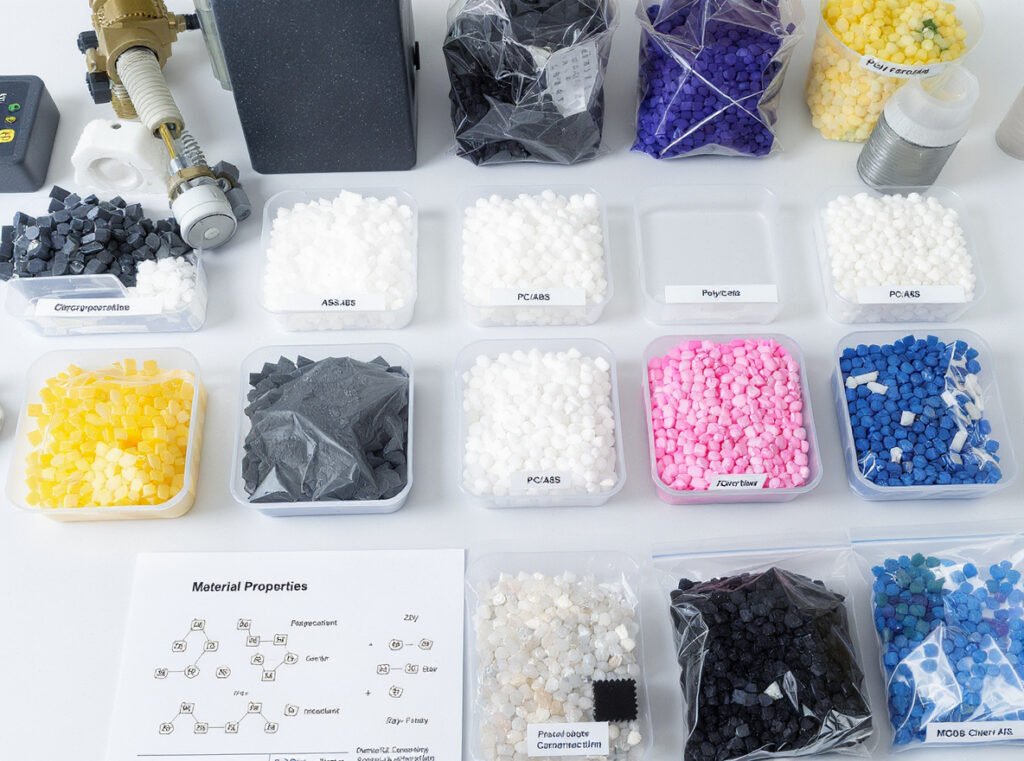
ABS Plastic Advantages:
- Heat resistance: Sufficient for standard household applications up to 80-100°C
- Impact strength: Excellent durability for daily use environments
- Chemical stability: Resists hair product exposure and cleaning agents
- Electrical insulation: Provides safety barrier for internal components
- Manufacturing efficiency: Cost-effective injection molding with excellent colorability
- Dimensional stability: Maintains precise tolerances under thermal cycling
Polycarbonate (PC) Benefits:
- Superior heat resistance: Handles temperatures up to 120-140°C continuously
- Exceptional impact resistance: Outstanding durability for professional applications
- High strength-to-weight ratio: Enables lightweight yet robust construction
- Processing versatility: Excellent moldability for complex geometric shapes
- UV resistance: Maintains appearance and properties under extended use
PC/ABS Hybrid Properties:
PC/ABS blends combine polycarbonate’s superior heat resistance with ABS flexibility, creating materials that offer improved processing characteristics during injection molding, enhanced toughness and dimensional stability, and superior heat resistance compared to ABS alone.
Special surface coatings can enhance resistance to scratches, fingerprints, and UV radiation, extending product lifespan and maintaining aesthetic appeal.
How Do Motor Housing Materials Impact Performance and Longevity?
Motor assembly materials directly affect product reliability, energy efficiency, and warranty claims, making them critical considerations for wholesale purchasing decisions.
Pure copper rotor and stator windings represent the premium choice for professional-grade hair dryers, offering excellent electrical conductivity, superior corrosion resistance, and stable performance under high-temperature operating conditions.
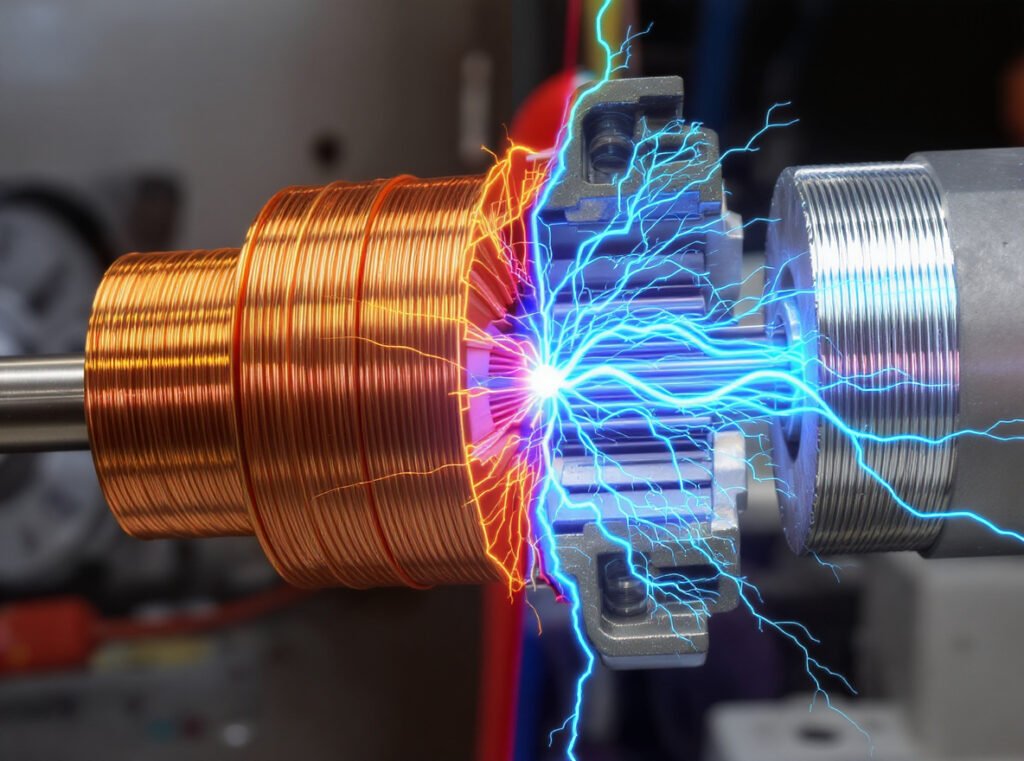
Pure Copper Motor Advantages:
- Optimal electrical conductivity: Maximum energy efficiency and consistent performance
- Corrosion resistance: Extended operational life in humid bathroom environments
- Thermal stability: Maintains electrical properties under high-temperature conditions
- Professional reliability: Reduces warranty claims and customer dissatisfaction
- Performance consistency: Stable operation throughout product lifecycle
Alternative Motor Materials:
Copper Clad Aluminum (CCA) Considerations:
While more economical than pure copper, CCA represents performance compromises:
CCA Benefits:
- Cost reduction: Lower material costs for budget-conscious applications
- Weight savings: Lighter construction for portable models
CCA Limitations:
- Reduced electrical performance: Lower conductivity than pure copper
- Reliability concerns: Risk of winding disconnection under thermal stress
- Shortened lifespan: May require more frequent replacement
Motor Housing Materials:
Professional units typically incorporate aluminum alloys or high-strength metal alloys for superior heat dissipation and mechanical durability, while consumer models may use engineering-grade plastics with appropriate thermal ratings.
| Motor Material | Performance Level | Cost Impact | Recommended Application |
|---|---|---|---|
| Pure Copper | Premium | 25-40% higher | Professional/salon use |
| CCA | Standard | Base cost | Budget consumer models |
| Aluminum Housing | Professional | 15-25% higher | Commercial applications |
Which Electrical Components Handle High Current Loads Safely?
Hair dryers draw substantial electrical current—typically 15 amperes for 1875W models—requiring robust electrical components and specialized wiring materials designed for high-power applications.
14 AWG copper wire with PVC or high-quality silicone insulation provides safe current handling for professional hair dryers, while bimetallic thermal switches and thermal cutoff fuses ensure automatic protection against dangerous overheating conditions.
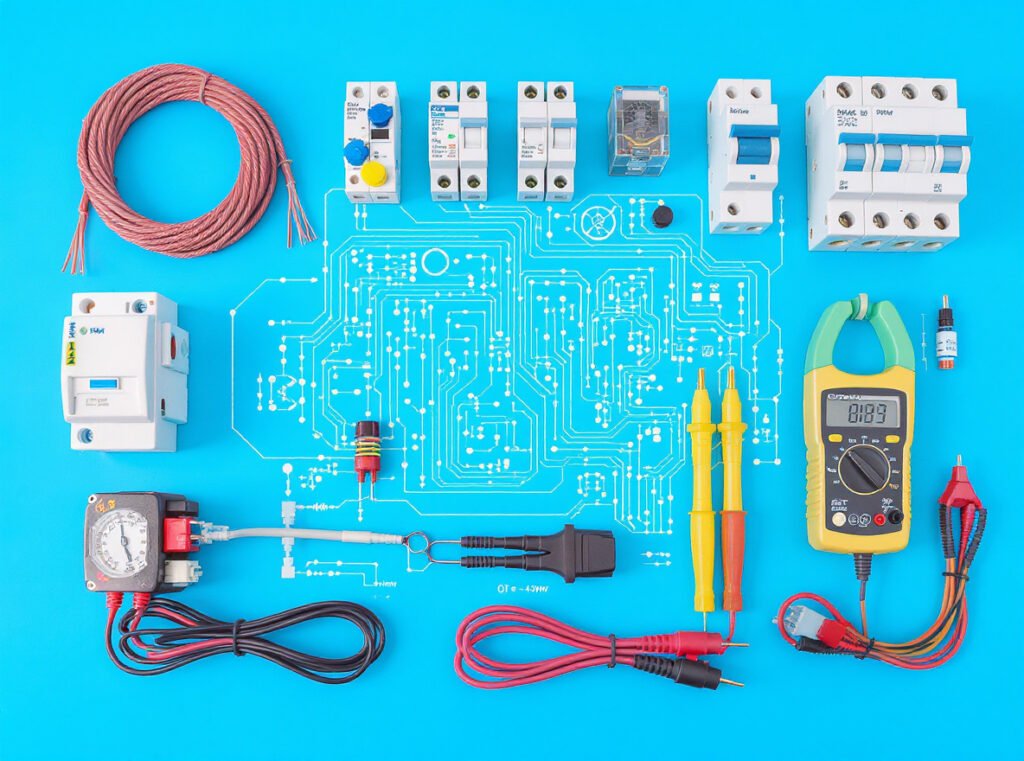
Power Cord Specifications:
Conductor Requirements:
- 14 AWG copper wire: Proper current capacity for 15-amp circuits
- Current rating: Must handle continuous high-power operation safely
- Voltage rating: Appropriate for residential and commercial electrical systems
Insulation Materials:
- PVC compounds: Standard heat-resistant insulation for consumer applications
- Silicone materials: Premium high-temperature resistance for professional use
- Temperature rating: Minimum 105°C continuous operation capability
Safety Protection Systems:
Thermal Protection Devices:
Modern hair dryers incorporate sophisticated thermal protection using specialized materials:
- Bimetallic thermal switches: Composed of two different metals with different thermal expansion rates
- Operating temperature range: Typically 50-160°C for standard protection applications
- Thermal cutoff fuses: Contain fusible alloy elements of tin, bismuth, antimony, indium, and lead
- Response characteristics: Predictable activation under dangerous temperature conditions
Extension Cord Considerations:
When customers use extension cords, 12 AWG rating is recommended for high-power appliances to prevent dangerous overheating and maintain electrical safety compliance.
How Do Advanced Heating Technologies Compare for Different Markets?
Modern heating technologies offer distinct performance characteristics that appeal to different customer segments, enabling strategic product positioning and premium pricing opportunities.
Ceramic technology provides gentle, even heat distribution ideal for damaged hair, tourmaline generates negative ions for frizz reduction and faster drying, while titanium offers rapid heating and maximum durability for professional applications.
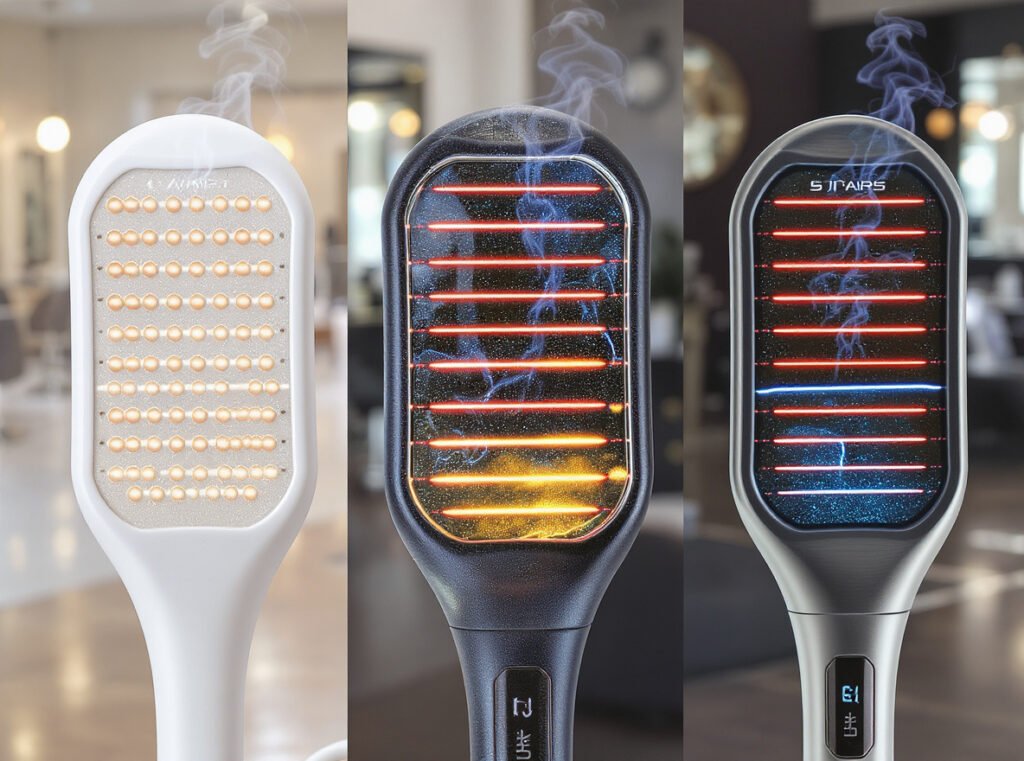
Ceramic Heating Technology:
Performance Characteristics:
- Infrared heat emission: Penetrates hair cuticle for gentle, even drying
- Negative ion generation: Reduces frizz and static while preserving moisture
- Heat distribution: Even temperature across heating surface prevents hot spots
- Hair type suitability: Ideal for fine, damaged, or chemically-treated hair
Market Positioning: Appeals to health-conscious consumers seeking damage protection and gentle styling results.
Tourmaline Technology:
Technical Advantages:
- Enhanced negative ion production: Six times more negative ions than ceramic alone
- Static reduction: Neutralizes positively charged dry hair for smoother results
- Moisture retention: Helps seal hair cuticles for improved shine and manageability
- Combination potential: Often integrated with ceramic for enhanced performance
Target Market: Premium consumer segment valuing hair health and professional-quality results.
Titanium Technology:
Professional Features:
- Rapid heating capability: Fastest heat transfer and temperature recovery
- Temperature stability: Maintains consistent heat throughout extended use
- Maximum durability: Superior resistance to thermal stress and mechanical wear
- Efficiency: Ideal for thick, coarse hair requiring higher temperatures
Professional Applications: Best suited for salon environments and users with challenging hair types.
| Technology | Heat Distribution | Drying Speed | Ideal Hair Type | Market Segment | Price Premium |
|---|---|---|---|---|---|
| Ceramic | Even, gentle | Medium | Fine to normal | Mass market | Base pricing |
| Tourmaline | Ion-enhanced | Medium-fast | All hair types | Premium consumer | 15-25% higher |
| Titanium | Intense, stable | Very fast | Thick, coarse | Professional | 25-40% higher |
What Are the Manufacturing Cost Implications of Quality Materials?
Understanding material costs versus performance benefits enables strategic sourcing decisions that optimize profit margins while maintaining competitive positioning in your target markets.
Premium heat-resistant materials increase manufacturing costs by 20-40% but significantly reduce warranty claims by 60-80%, improve customer satisfaction scores, and enable premium pricing strategies that typically offset initial material investments.
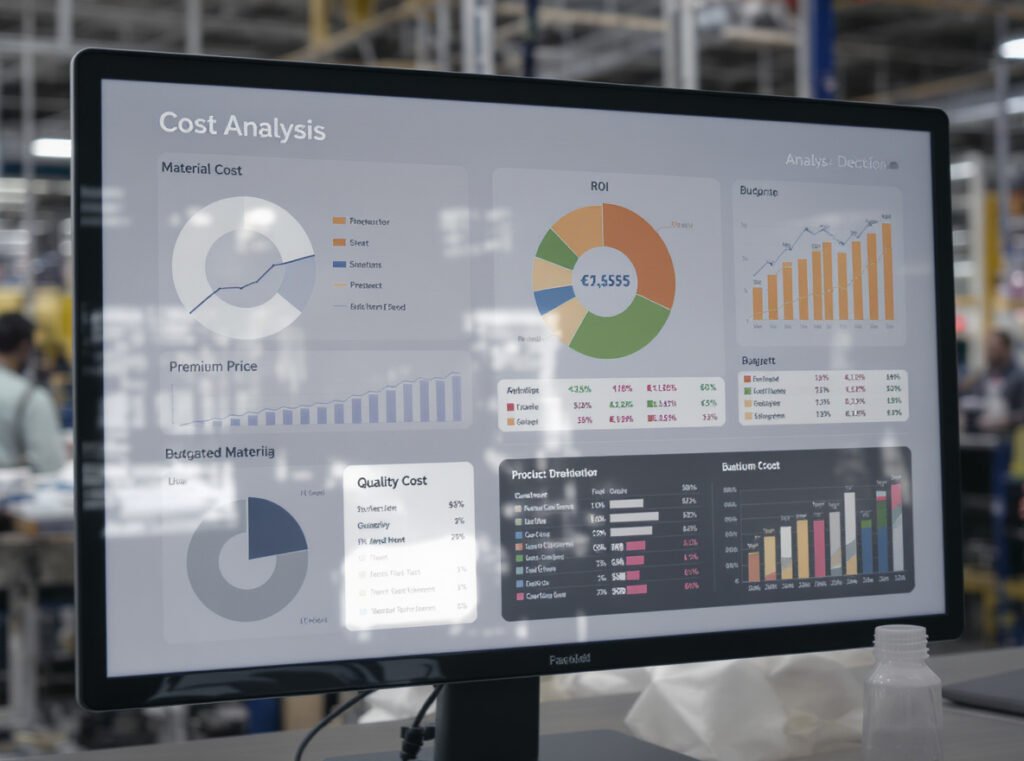
Direct Material Cost Analysis:
Component Cost Impacts:
- Pure copper vs. CCA motors: 25-40% material cost premium
- Engineering plastics vs. standard ABS: 20-30% housing cost increase
- Ceramic/tourmaline coatings: 10-15% additional processing investment
- Premium insulation materials: 5-10% component cost elevation
- High-temperature electrical components: 15-20% wiring system premium
Manufacturing Cost Baseline:
Research indicates basic hair dryers can be manufactured for approximately $2.70 including all standard costs, though integration of premium materials and advanced components increases this substantially.
Long-term Value Proposition:
Quality Material Benefits:
- Warranty claim reduction: 60-80% fewer heat-related product failures
- Extended product lifespan: 2-3x longer operational life expectancy
- Customer satisfaction improvement: Higher repeat purchase rates and positive reviews
- Brand reputation protection: Reduced negative feedback and return rates
- Market positioning opportunities: Premium pricing justification and professional channel access
Strategic Sourcing Considerations:
Supplier Evaluation Criteria:
- Material certifications: UL, CE, RoHS, and international safety compliance
- Quality consistency: Statistical process control and batch testing protocols
- Supply chain reliability: Consistent material availability and pricing stability
- Technical support: Engineering assistance for product optimization and customization
- Manufacturing capability: Scalability for volume production and private labeling
Return on Investment:
Premium materials enable 25-50% higher retail margins, justify extended warranty programs, and provide competitive advantages that typically recover initial investment within first product generation.
Summary
Strategic selection of heat-resistant materials forms the foundation of successful hair dryer wholesale business, impacting product reliability, customer satisfaction, and long-term profitability. From nichrome heating elements to advanced ceramic technologies, material quality directly determines market positioning and competitive advantage.
Ready to source professional hair dryers engineered with premium heat-resistant materials? Explore our P1C high-speed hair dryer featuring pure copper motors, ceramic heating technology, and engineering-grade housing materials, or browse our complete product collection to discover the perfect solutions for your retail customers. Contact our technical team today to discuss wholesale pricing, material specifications, and customization options that will differentiate your business in the competitive hair care market.